
Introduction
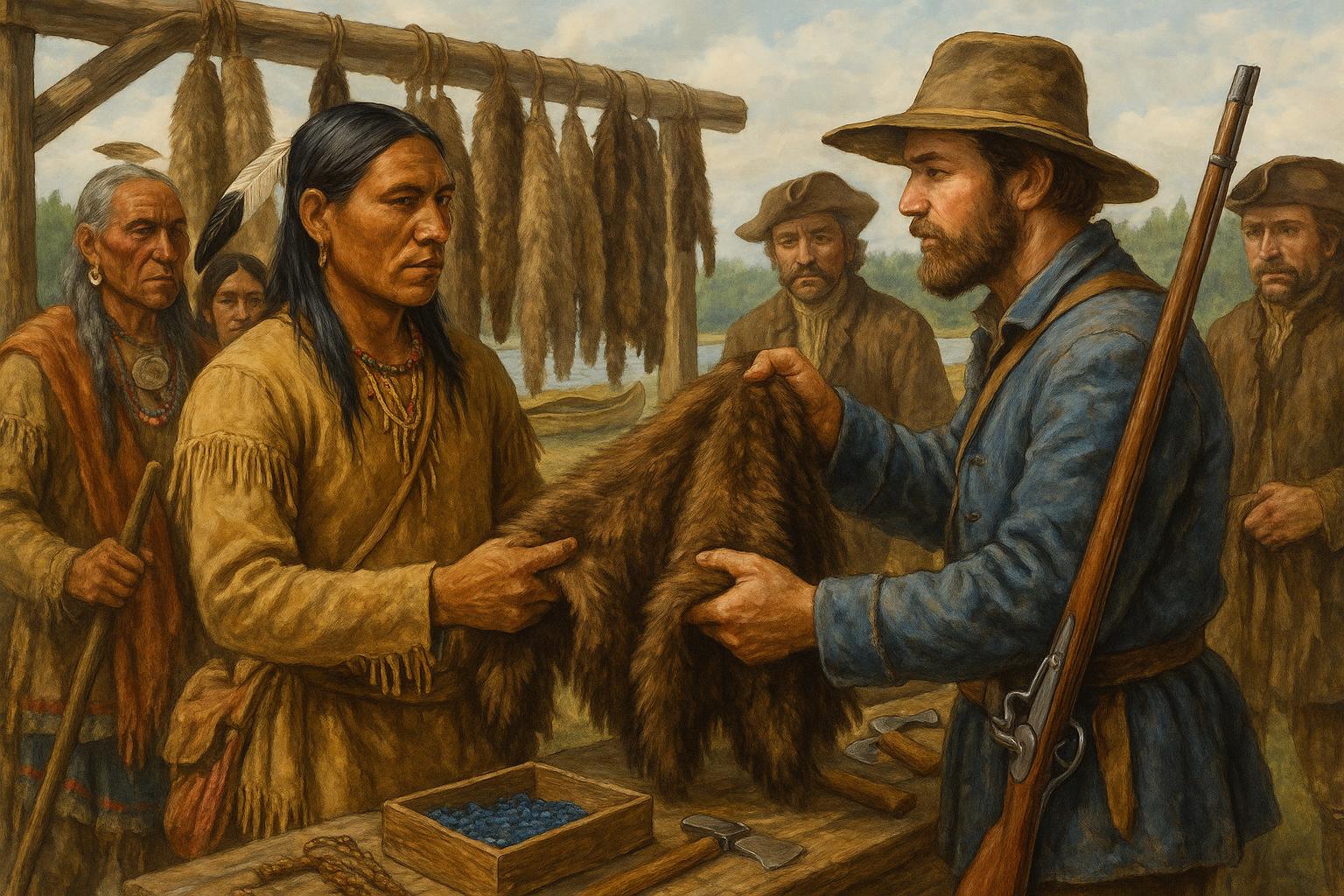
The history of the fur trade in North America represents a significant period of interaction and exchange between Europeans and Native Americans. This industry, active from the late 16th century until the mid-19th century, was not solely an economic enterprise but also a conduit for cultural and social engagement. Native Americans were instrumental in these exchanges, participating not just as suppliers but as active traders and negotiators who significantly influenced the trajectory of the fur trade.
Early Interactions
The initial arrival of Europeans in North America resulted in profound shifts in the economic framework of the region. Native Americans, already adept in hunting and trapping, possessed an intimate understanding of their environment, which made them ideal trade partners for European merchants. The primary commodity at the center of this exchange was beaver pelts, which were highly prized in Europe for their use in hat-making. In return for these furs, European traders offered goods such as metal tools, firearms, and textiles, items that were integrated into Native American daily life.
Cultural Exchanges
Beyond mere commerce, the fur trade acted as a catalyst for cultural exchange. This period saw a blending of traditions, languages, and customs. European goods did not simply replace indigenous items but were often adapted into existing practices. For instance, metal tools complemented traditional stone implements, enhancing efficiency in daily tasks. Conversely, Europeans benefited from Native American innovations, adopting methods of survival and travel, including the use of canoes for navigating waterways and snowshoes for winter transit. These exchanges extended into areas such as clothing and food, further illustrating the intertwined nature of these cultures during the fur trade era.
Economic Impact on Native Americans
Integration into the fur trade had profound economic implications for Native American communities. Successfully navigating the fur trade brought prosperity to some groups, providing them access to sought-after European goods. However, this new economy also resulted in significant challenges. The lucrative market for furs led to instances of overhunting, which had detrimental effects on wildlife populations and disrupted traditional hunting practices. Furthermore, the increasing dependency on European goods began to alter indigenous economies, as communities shifted from subsistence hunting to trapping furs intended for trade, thereby changing their economic landscape.
Changing Alliances
Throughout the fur trade era, alliances between Native American tribes and European powers were dynamic and strategic. Tribes aligned themselves with various European entities, such as the French, British, and Dutch, based on factors like geographic proximity and mutual interests. These alliances were not just economic but involved military cooperation and support, often serving as deterrents against rival tribes. The alliances thus played a critical role in shaping political relationships in the region and influencing which groups gained access to specific trade goods and infrastructures.
The Role of Women
Women in Native American communities played an essential role in the fur trade, although their contributions are frequently understated in historical accounts. They were pivotal in the preparation of animal skins, performing tasks such as cleaning, softening, and sewing the pelts, which made them suitable for trade. Additionally, women often served as cultural and linguistic intermediaries, bridging the gap between their communities and European traders. Their role extended beyond labor to encompass negotiation and mediation, underscoring the invaluable role they played in facilitating successful trading voyages.
Decline of the Fur Trade
By the mid-19th century, the fur trade experienced a notable decline due to several contributing factors. First, the overharvesting of beavers led to diminished populations, which affected the supply chain. Concurrently, changes in European fashion reduced the demand for beaver pelts, leading to decreased market opportunities. The expansion of European settlements into North American territories further disrupted traditional trade networks and altered the availability of fur resources. For Native American communities, the decline of the fur trade signaled a period of economic and social transition, as they navigated the shifting landscapes of commerce and settlement.
Impact on Indigenous Societies
With the decline, Native Americans faced new challenges as they adapted to an evolving economic context. Many communities had to find alternative means of livelihoods, transitioning from a fur-based economy to agriculture or wage labor in nearby settlements. The transition was not seamless and often accompanied by economic hardship and cultural upheaval. Additionally, the decline of the fur trade contributed to further encroachment on Native lands by settlers, which exacerbated tensions and conflicts over territory and resources.
Conclusion
The involvement of Native Americans in the fur trade was a crucial component of this historical phenomenon. Their participation went beyond supplying pelts; they were integral to the cultural and economic dynamics of the trade. The legacy of Native American involvement in the fur trade is multifaceted, reflecting both the advantages and the challenges brought by this era of significant exchange. Today, the fur trade stands as a testament to the rich, albeit complex, intercultural interactions between Native Americans and Europeans, marking a transformative time in the history of North America. Through these exchanges, both groups influenced each other’s societies, creating a lasting impact that is still recognized in contemporary cultural and historical narratives.