
Introduction
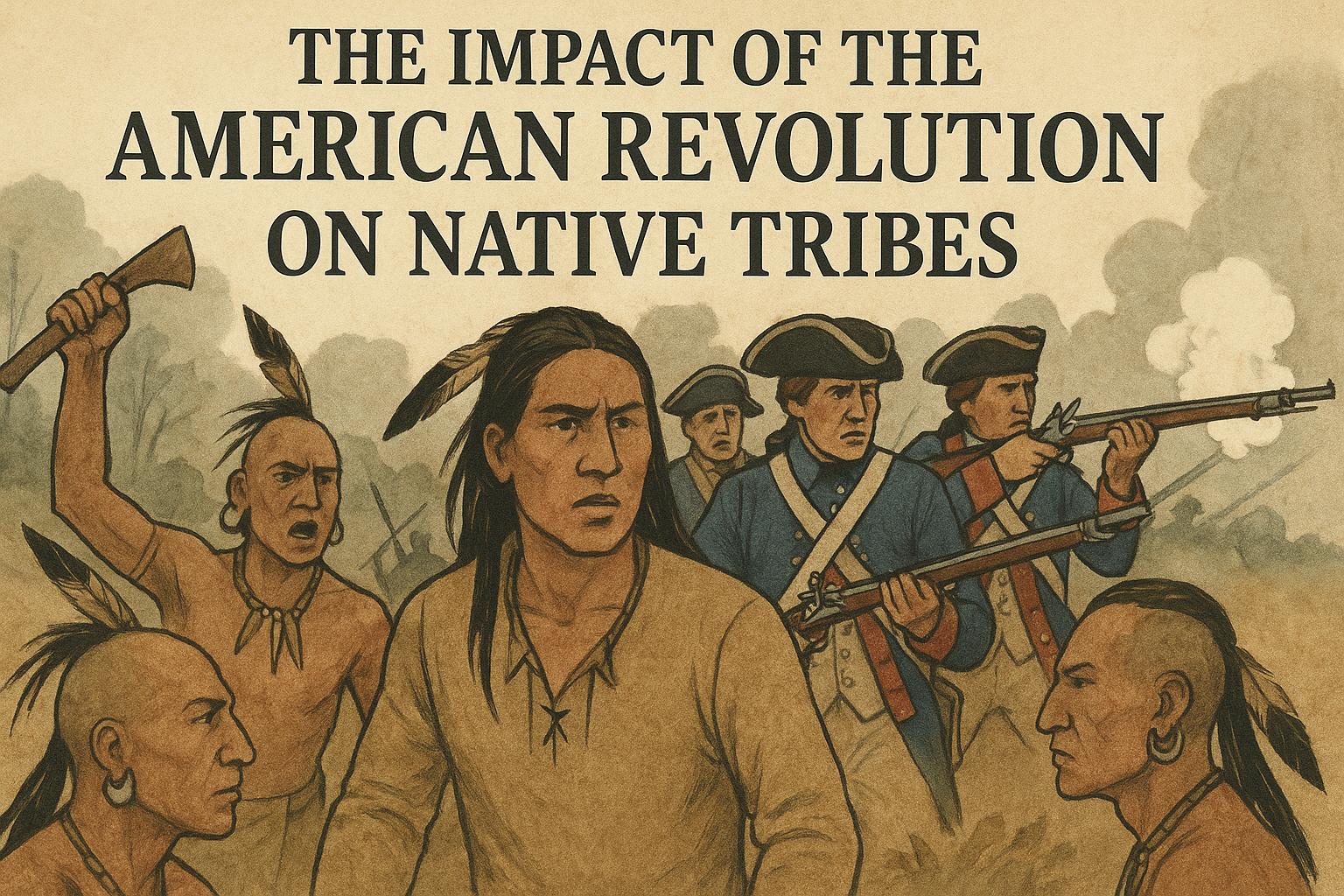
The American Revolution, a pivotal event in North American history, profoundly influenced not only the European-descended colonists but also the indigenous tribes that had long inhabited the continent. This transformative war, lasting from 1775 to 1783, resulted in significant consequences for these Native American communities. To fully understand these impacts, it is crucial to examine the intricate relationships between the Native tribes and the colonial powers competing for control over the continent.
Native Tribes and Colonial Alliances
Throughout the Revolutionary War, Native American tribes were confronted with the complex and often divisive choice of taking sides. As the war progressed, tribes throughout the continent found themselves either aligning with the British or siding with the American colonists, a decision influenced by both established relationships and strategic assessments tied to their own survival and territorial integrity.
At the heart of these alliances was the Iroquois Confederacy, a powerful group that experienced significant internal conflict due to divided loyalties. Within the confederacy, some nations such as the Mohawks, led by the influential figure Joseph Brant, chose to support the British. Brant believed that an alliance with the British would better protect their lands from the ever-expanding colonial settlements. Meanwhile, other confederate nations like the Oneidas and the Tuscaroras, based on different strategic calculations, chose to side with the Americans, parting ways with their kin.
In the Southern regions, tribes faced similarly complex decisions. The Cherokee, for instance, were embroiled in turmoil about whether to support the British cause. Some Cherokee leaders chose the side of the British, driven by the hope that doing so would slow down or even halt the influx of colonists encroaching upon their territories. However, internal divisions emerged, leading to the formation of a separate faction known as the Chickamauga, who maintained active resistance against the American forces.
Impact on Native Lands
The conclusion of the American Revolution marked the beginning of an era that would see widespread and lasting changes for Native American tribes. With the signing of the Treaty of Paris in 1783, Britain formally ceded control of its colonial possessions, and the newly established United States claimed vast stretches of land previously inhabited by indigenous tribes. Unfortunately, the treaty largely ignored the rights and claims of Native tribes, who found their traditional territories included in the land handed over to American control.
As settlers began moving westward, they encroached upon these lands, leading to the displacement of numerous Native tribes. This westward expansion, endorsed and often facilitated by the federal government, frequently resulted in armed conflicts and forced treaties that further eroded the land rights of the Native people. This systematic loss of ancestral lands marked a significant turning point, fundamentally altering the way of life for many tribes.
Cultural and Social Consequences
The effects of the American Revolution extended far beyond issues of territorial control, profoundly impacting the cultural and social fabric of Native American communities. The displacement and disruption caused by this war often led to economic hardships that made it difficult for tribes to maintain their traditional lifestyles. With the loss of hunting grounds and farming territories, many tribes faced immense challenges in sustaining their ways of life and governance structures.
Moreover, the introduction and proliferation of European products, cultural norms, and diseases dramatically transformed the socio-cultural landscape of these communities. Native tribes encountered new materials and tools, which, while sometimes beneficial, further integrated them into the changing economic dynamics. The spread of diseases brought by the Europeans wreaked havoc on indigenous populations, causing significant declines in numbers and adding another layer of difficulty to the preservation of cultural traditions and autonomy.
These issues were compounded by internal pressures, as Native tribes worked to navigate their futures amid the rapid transformations of their environment and social conditions. The struggle to uphold their identities while adapting to new realities presented ongoing challenges that would shape the history and evolution of Native American communities.
Long-term Implications
In the long run, the American Revolution set in motion a series of events with long-standing impacts on Native American tribes, many of which extended far beyond the war itself. One of the most significant consequences was the foundation it laid for future U.S. policies toward Native Americans. The Indian Removal Act and various assimilation initiatives, which would unfold in subsequent decades, were deeply rooted in precedents established during and after the American Revolution.
While the American Revolution is often celebrated as a crucial event leading to the establishment of a new nation defined by democratic ideals and enlightenment values, its impact on Native American tribes serves as a sobering reminder of the many complexities and consequences that characterized this transformative period. As such, the legacies of the American Revolution are multifaceted, presenting both stories of nation-building and narratives of profound change and challenge for indigenous populations.
For those interested in delving deeper into the nuanced impacts of the American Revolution on Native American tribes, there is a wealth of academic literature and specialized historical research available. These resources offer valuable insights into the varied and multi-dimensional experiences of indigenous peoples during this extraordinary chapter of North American history.