
Introduction
The impact of Native American agriculture on modern American farming practices is profound and often understated. Native American societies developed sophisticated agricultural systems long before European settlers arrived. Their innovations and farming techniques continue to influence current agricultural practices in significant ways.
The Three Sisters: A Symbiotic Planting Method
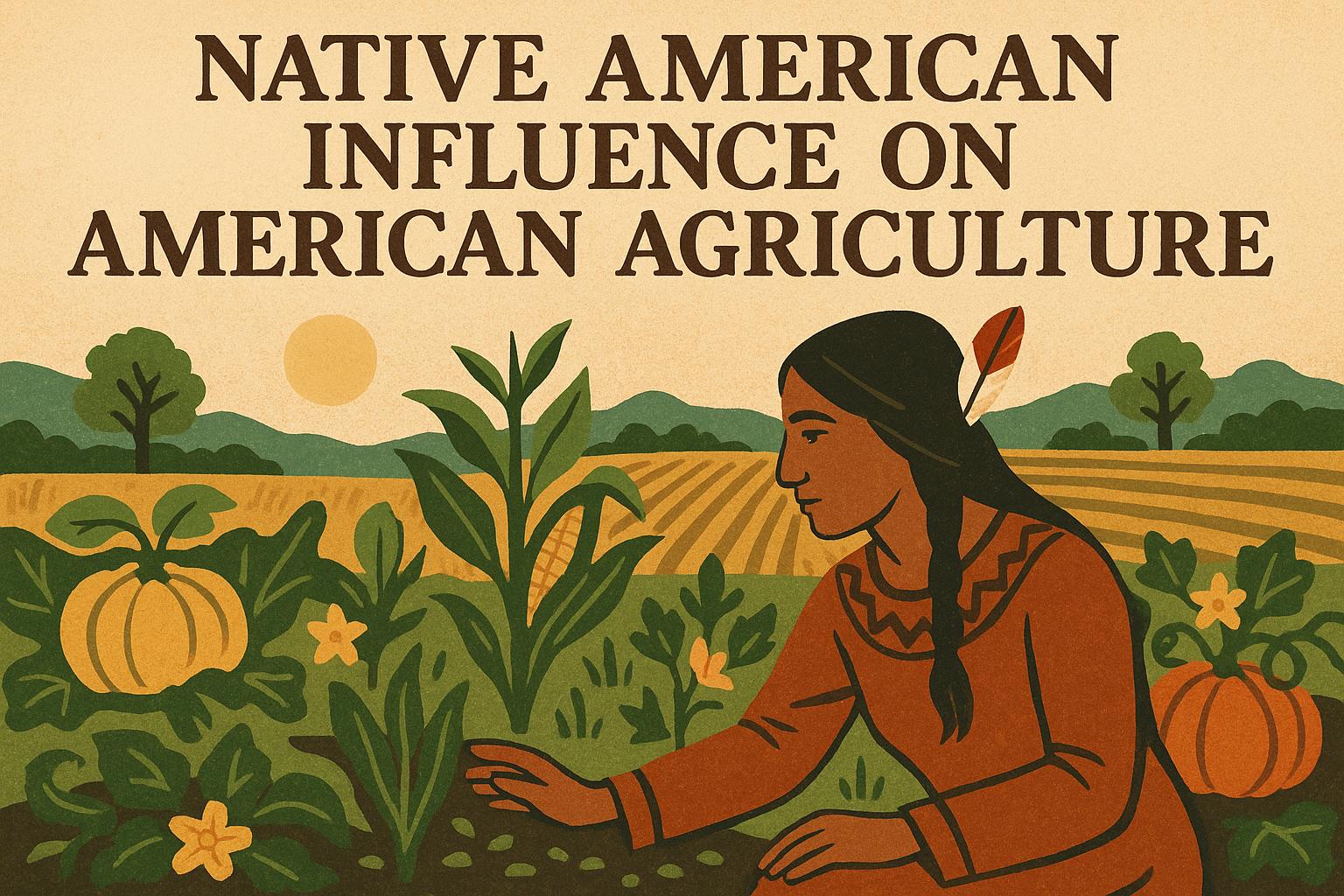
One of the most notable contributions of Native American agriculture is the Three Sisters planting method. This system involves the cultivation of corn, beans, and squash together in a mutually beneficial arrangement. Corn provides a structure for the beans to climb, eliminating the need for stakes. Beans fix nitrogen in the soil, which benefits all three plants, while squash acts as ground cover, helping to retain soil moisture and prevent weed growth. This technique exemplifies the thoughtful approach Native American farmers took towards sustainability and environmental stewardship.
Adaptation of Plant Varieties
Native Americans were instrumental in the domestication and development of various plant species that are now staples in the American diet. Crops like maize (corn), potatoes, tomatoes, and peppers have their origins in Native American agriculture. Through selective breeding and adaptation to diverse climates and soil types, Indigenous farmers were able to develop robust plant varieties, increasing crop yields and resilience. Today, these crops are essential to both American and global agriculture.
Soil Management Techniques
The agricultural practices of many Native American tribes included advanced soil management techniques. Terracing and crop rotation were commonly used to maximize land productivity and maintain soil health. By understanding the natural cycles and characteristics of their environment, Native American farmers were able to cultivate land efficiently, ensuring long-term viability.
Irrigation and Water Management
Water management techniques developed by Native Americans also significantly impacted agricultural efficiency. Many tribes employed intricate irrigation systems to bring water to arid regions and manage its distribution effectively. These methods were precursors to modern irrigation techniques and demonstrate a deep understanding of hydrology and landscape engineering.
Significance of the Three Sisters Method
The Three Sisters method is not just a historical footnote; it represents a forward-thinking approach to agriculture that harmonizes with nature. The symbiosis between corn, beans, and squash minimizes the need for external inputs, such as synthetic fertilizers and pesticides, reducing the environmental footprint of farming practices.
The Lessons in Biodiversity
The biodiversity inherent in the Three Sisters method offers modern agricultural systems a blueprint for resilience. By growing a variety of crops together, farmers can effectively safeguard against crop failures due to pests, diseases, or extreme weather. Diversity within fields mimics natural ecosystems, providing a buffer that can stabilize yield, an insight valuable to modern monoculture practices that often lack such resilience.
The Influence on Climate Resilient Farming
Native American agricultural practices illustrate methods of adaptation crucial for building resilience to climate change. The focus on drought-resistant crops, water conservation, soil preservation, and sustainable land use offers modern agriculture techniques to mitigate the adverse effects of a changing climate.
Adaptation of Plant Varieties
The diverse climates across the Americas required Native American societies to develop plant varieties suited to various environments. This led to the cultivation of multiple strains of staple crops, which were adapted to local conditions and ensured a broad genetic diversity.
Maize: A Cornerstone Crop
Maize, or corn, is one such crop with widespread impact. Initially cultivated over 9,000 years ago in what is now Mexico, maize underwent various genetic adaptations to thrive in different climates and altitudes. The genetic diversity achieved by indigenous farmers ensures that modern maize remains one of the world’s most important cereal crops, providing food, animal feed, and biofuel.
The Legacy of Other Crops
Potatoes, indigenous to the Andean region, were adapted to myriad growing conditions, leading to a wide array of tuber varieties. Similarly, tomatoes and peppers, both of which have become global staples, owe their cultivation to the sophisticated selection processes initiated by Native American farmers. These crops provide essential nutrients and contribute significantly to food security and economy.
Soil Management Techniques: Preserving Fertility
The preservation of soil fertility was critical for sustainable crop production. Native American techniques such as terracing helped in reducing soil erosion on hilly terrains by creating level planting areas, thus optimizing water retention. Crop rotation, another essential technique, minimized pest build-up and maintained soil nutrients by alternating different crops in the same area.
Biochar and Soil Amendments
Another lesser-known method employed by some tribes was the use of biochar. This form of charcoal was used to improve soil fertility, regulate moisture, and increase organic matter. Soil amendments like these are mirrored in modern practices emphasizing regenerative agriculture.
Irrigation and Water Management: Ancestral Ingenuity
The advanced water management practices of Native Americans display significant ingenuity. The construction of canals, ditches, and reservoirs was vital for farming in arid and semi-arid regions.
Pioneering Water Control Systems
One remarkable example is the Hohokam canals in present-day Arizona, which are considered engineering marvels. These systems highlight the detailed understanding of geology and water dynamics possessed by indigenous tribes and serve as precursors to contemporary irrigation techniques.
Modern Implications
Lessons from these traditional water management practices are increasingly relevant today, as agriculture faces water scarcity issues. Replicating such efficient systems can aid in the development of sustainable water use strategies and inform water policy decisions globally.
Conclusion
The influence of Native American agricultural practices underscores the importance of Indigenous knowledge systems in modern farming. By studying and integrating these time-tested methods, current agricultural practices can become more sustainable, resilient, and productive. For more information on how traditional farming techniques can benefit contemporary agriculture, explore resources such as this comprehensive guide on sustainable agriculture practices. Through a deeper understanding and appreciation of these practices, modern agriculture can evolve towards an environmentally harmonious and sustainable future.