
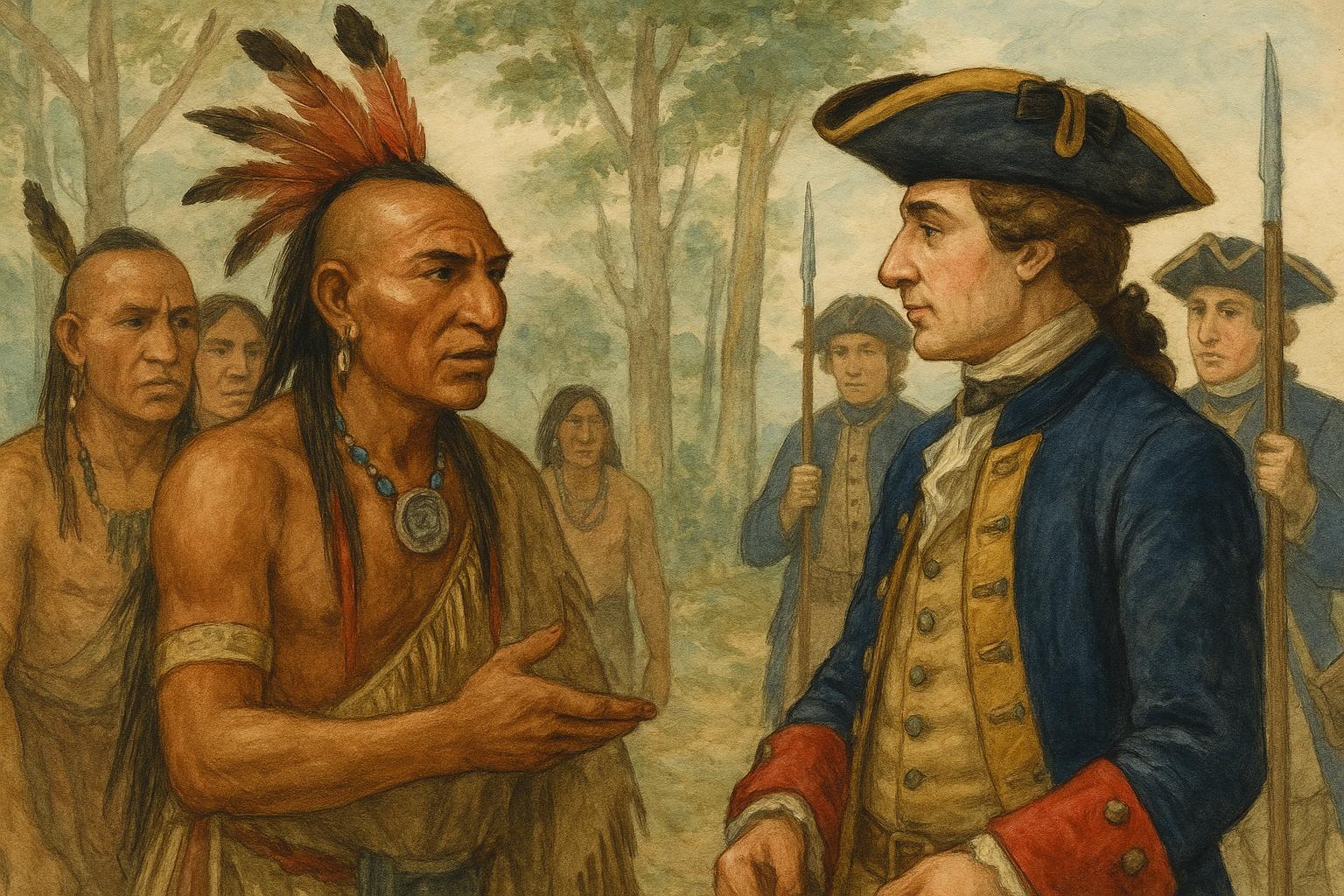
Introduction to Native American and French Relations
The interactions between Native American tribes and French colonizers in North America were complex and varied across different regions and periods. Unlike the Spanish and English, who often pursued more aggressive colonial policies, the French initially engaged in cooperative relationships with many Indigenous peoples. These relationships were often shaped by mutual benefits, particularly in trade and military alliances.
Trade Relations
The cornerstone of French-Native American relations was the fur trade, which became a crucial economic activity in North America starting in the 16th century. The French sought valuable resources such as beaver pelts, which were highly prized in Europe for making hats and other garments. In exchange, Native Americans received European goods like metal tools, weapons, and cloth, which eased some of their daily tasks but also led to shifts in traditional lifestyles.
Many French traders and voyageurs (travelers) built personal and economic ties with Indigenous communities. This trade often required learning Native languages and navigating complex social systems. Consequently, the French were generally more inclined than their European counterparts to adopt Indigenous customs.
The trade networks established between the French and Native Americans extended across the vast landscapes of North America. French traders penetrated deep into the continent, traveling through rivers and forests to reach Native communities. They often set up trading posts, which became crucial centers of interaction. These posts served not only as hubs for the fur trade but also as cultural exchange points where Indigenous and French ways of life intertwined.
For the Indigenous communities, trading with the French offered access to new products that were either unavailable or difficult to produce domestically. Metal tools, for example, were significantly more durable and efficient than traditional tools made from stone or bone. Firearms, although initially a novelty, gradually became essential for hunting and defense. The introduction of these goods, however, also brought challenges, leading to dependency on European products and altering traditional Native economies and social structures.
Military Alliances
Military alliances were another crucial aspect of the French-Native American relationship. As European powers vied for control of North America, the French formed alliances with various tribes, such as the Huron and Algonquin, to counter the threat posed by British expansion and their Iroquois allies. These agreements were often sealed through gift exchanges, marriages between French men and Native women, and the adoption of Frenchmen into Native tribes.
The military alliances were deeply rooted in mutual interests. For the French, the support of Native tribes provided not only additional fighting forces but also invaluable knowledge of the local terrain and warfare tactics that were alien to European methods. Indigenous warriors’ use of guerrilla tactics, ambushes, and intimate knowledge of the land allowed them to execute attacks that caught European forces off guard.
In contrast, for many Native tribes, alliances with the French offered a means of acquiring European weapons and support in their conflicts against rival groups, including those aligned with the British. The complex network of alliances and rivalries in North America often found Native tribes navigating their interests carefully, choosing allies based on the shifting geopolitical landscape.
These alliances played a significant role during conflicts such as the French and Indian War (1754-1763), where Native American tribes were critical allies to the French. In this war, Native American combatants used their knowledge of the terrain to execute guerrilla tactics, contributing significantly to early French successes before eventual defeat by British forces. The war demonstrated the strategic importance of Native alliances and the impact they could have on European power struggles in the New World.
Cultural Interactions
Cultural exchanges were a frequent outcome of French-Native American relations. Through trade and military connections, both sides influenced each other’s societies. The French introduced new technologies and goods, while Native Americans shared hunting techniques, agricultural practices, and knowledge of the land. The Métis, a distinct cultural group arising from French-Indigenous intermarriages, are an enduring legacy of these interactions.
The Métis culture emerged as a unique blend of French and Indigenous traditions. Over generations, the Métis developed their own language, Michif, and cultural practices that reflected their dual heritage. This community played a significant role in the fur trade, acting as intermediaries who understood both French and Native languages and customs.
Several missionaries, particularly Jesuits, accompanied French settlers and sought to convert Native peoples to Christianity. While some tribes resisted, others incorporated elements of Christianity into their spiritual practices, resulting in a fusion of religious traditions. The Jesuits often documented their encounters and observations, providing valuable historical records of early interactions between Europeans and Indigenous peoples. These missionary efforts were met with varying degrees of success and resistance, as Native spiritual beliefs were deeply entrenched and central to their cultural identity.
The French approach to religion in the context of Native interactions was often more accommodating than that of other European powers. Jesuits and other missionaries sometimes adopted and respected elements of Native spirituality, seeking to find common ground rather than imposing their beliefs entirely. This approach contributed to a relatively more harmonious coexistence, at least in certain regions and periods.
Conclusion
The relationships between French colonizers and Native Americans were dynamic and influenced by a desire for mutual benefits, encapsulated in trade, military, and cultural exchanges. These interactions left a lasting impact on the cultural and socio-political landscape of North America.
While the eventual decline of French power in North America, particularly following the French and Indian War, shifted the balance of power and alliances, the legacy of these relationships endured. The cultural exchanges, mixed communities, and historical interactions between the French and Indigenous peoples remain an essential part of the North American historical narrative.
The history of French and Native American relations offers insights into the complexities of colonialism, alliance-building, and cultural integration — themes that resonate in the broader histories of colonial interactions worldwide. Understanding this history provides a more nuanced view of the past, highlighting the agency of Indigenous communities and the varied nature of European colonial endeavors.