
Introduction
The interaction between Native American communities and Spanish colonizers during the Age of Exploration and the subsequent colonization of the Americas represents a multifaceted narrative. This period within history is characterized by cooperation, conflict, adaptation, and resistance, weaving together a complex web of relationships and exchanges. To gain a comprehensive understanding of this era, it is crucial to examine the intricacies of the social, cultural, and economic exchanges that occurred between these diverse groups.
Initial Encounters
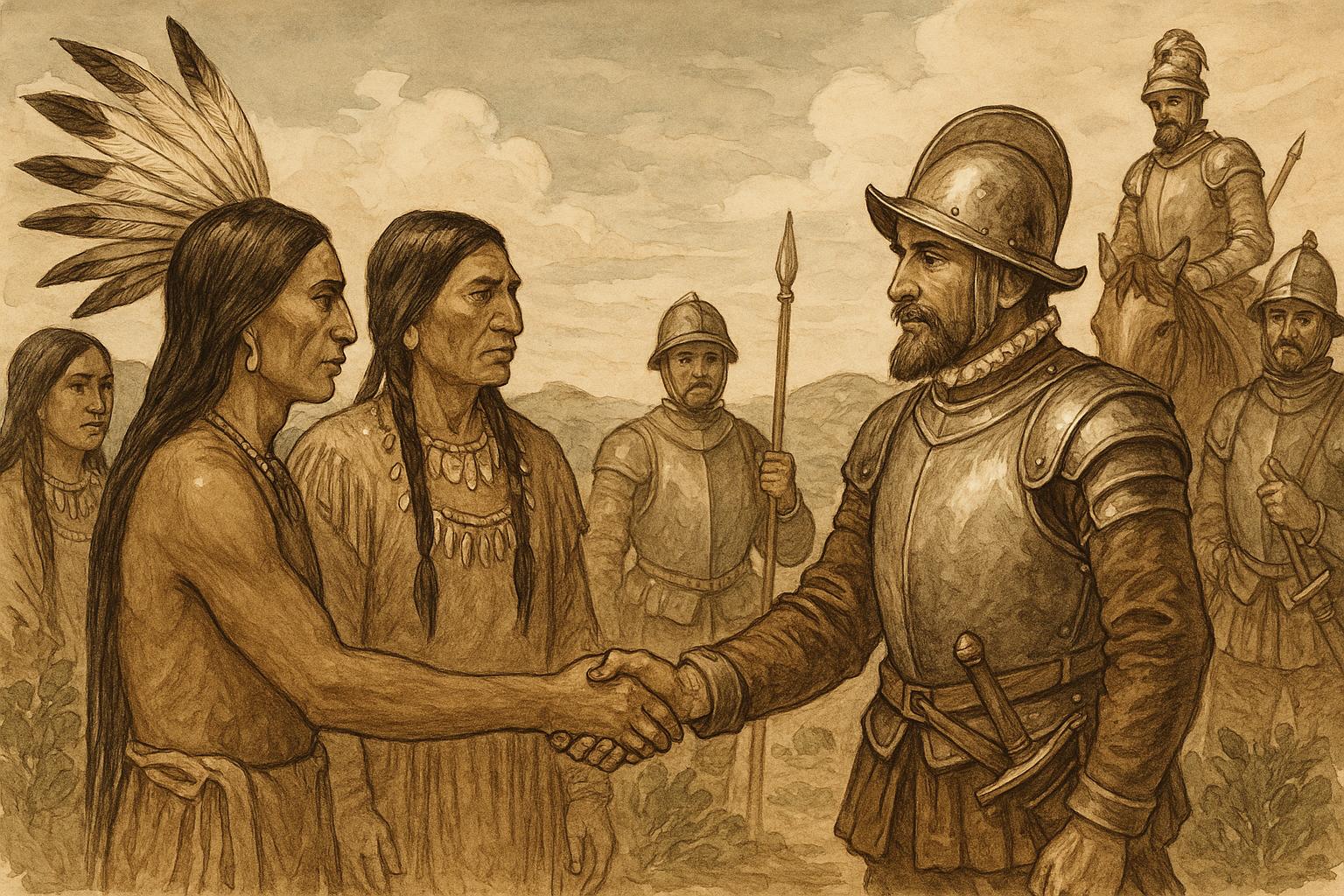
The initial encounters between Native Americans and Spanish explorers were pivotal moments that set the stage for future interactions. Often characterized by curiosity and mutual exchange, these meetings laid the groundwork for the complex relationships that would develop. Native communities offered various resources, including food and gold, to the Spaniards who were exploring these new lands. In return, the Spanish introduced European goods and practices to the indigenous populations. However, it is crucial to recognize that the nature of these initial interactions varied significantly across regions and communities. Each encounter was influenced by the specific context in which it occurred, shaped by local customs, geographical factors, and the intentions of both parties involved.
The Role of Religion
Religion played a prominent role in the Spanish colonization efforts, serving as a catalyst for cultural exchange and conflict. One of the primary objectives of Spanish colonizers was to spread Christianity among the indigenous populations. Missionaries, particularly those from the Franciscan and Jesuit orders, embarked on a mission to convert Native Americans to Christianity. These religious endeavors were not purely spiritual; they carried significant cultural implications as well. The missionaries sought to supplant indigenous traditions with European customs and beliefs, often leading to a profound transformation in indigenous societies. The establishment of missions served as centers for religious instruction and cultural assimilation, leaving a lasting impact on the communities they aimed to change.
Economic Relations
The economic interactions between Native Americans and the Spanish were complex, characterized by both cooperation and coercion. Through exchanges, the Spanish introduced new agricultural techniques and animals to the Native American communities, facilitating a shift towards a more European style of production in certain areas. This exchange of knowledge and resources had lasting effects on the economic landscape of the Americas. However, alongside these cooperative exchanges, coercive economic systems were also imposed, most notably the encomienda system. Under this system, indigenous people were forced to labor under harsh conditions for the benefit of the colonizers, leading to significant exploitation and hardship. This dichotomy between cooperation and coercion shaped the economic dynamics between the two groups.
Impact of Disease
The introduction of Old World diseases by the Spanish had devastating consequences for Native American populations. Lacking immunity to diseases such as smallpox, measles, and influenza, indigenous communities experienced catastrophic declines in population. These diseases spread rapidly, decimating entire communities and leading to the collapse of social structures. The demographic collapse that ensued significantly altered the balance of power in favor of the Europeans, exacerbating the challenges faced by Native American communities during colonization. The impact of disease was profound, reshaping the demographics of the Americas and contributing to the broader context of colonization.
Resistance and Adaptation
Despite the formidable challenges posed by Spanish colonization, Native American groups displayed remarkable resilience and adaptability. Faced with external pressures and threats to their way of life, indigenous communities employed a variety of strategies to resist Spanish influence. Some groups chose to engage in armed resistance, defending their territory and autonomy against encroachment. Others opted for adaptation, forming alliances or merging with other tribal groups to strengthen their position. This adaptability allowed indigenous societies to navigate the complexities of colonization, integrating elements of Spanish culture while maintaining core aspects of their own identities. The strategies of resistance and adaptation varied across regions, reflecting the diversity and resourcefulness of Native American communities.
Long-term Consequences
The long-term consequences of Spanish colonization on Native American communities were profound and multifaceted. The introduction of new technologies, animals, and crops brought about significant changes to the indigenous way of life, altering traditional practices and reshaping daily existence. However, alongside these transformations, the imposition of foreign political and economic systems had detrimental effects. The loss of land, autonomy, and traditional practices resulted from the establishment of colonial rule, leading to lasting impacts on indigenous communities. The complex interplay of cultural exchange and socio-economic disruption during this period left an indelible mark on the history of the Americas and the legacy of Spanish colonization.
Conclusion
In conclusion, the relationships between Native American communities and Spanish colonizers were characterized by complexity and diversity, varying significantly across different regions and contexts. These interactions were marked by conflict, exploitation, and cultural transformation. Yet, they also involved significant cultural and socio-economic exchanges that shaped the course of history. Understanding these dynamics requires a nuanced exploration of the historical context of colonization and its lasting impacts on indigenous populations. For those interested in delving deeper into this topic, exploring resources from organizations dedicated to indigenous studies or historical research can provide valuable insights into this complex and multifaceted history.