
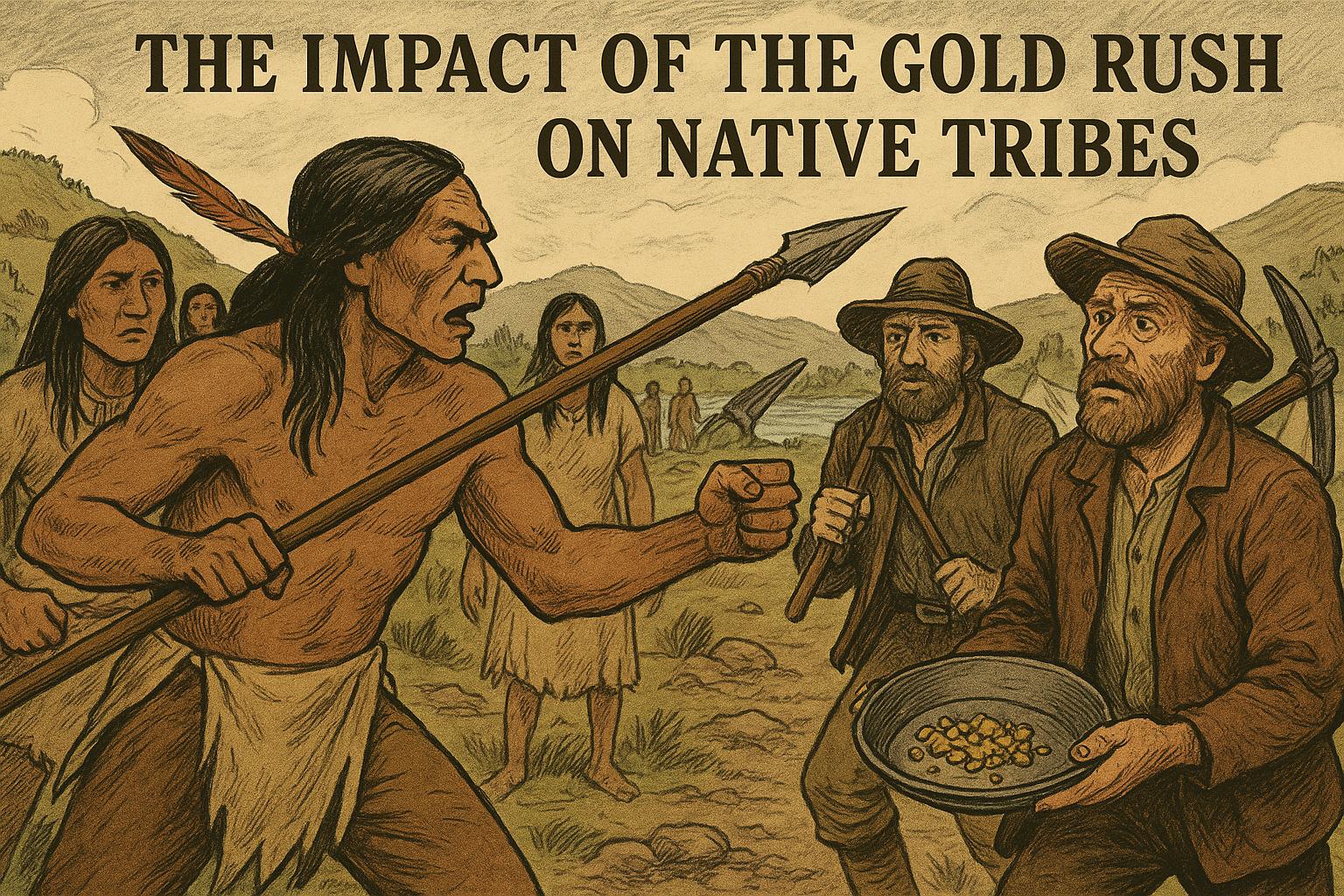
The Impact of the Gold Rush on Native Tribes
The mid-19th century witnessed a transformative period known as the Gold Rush, which began in 1848. This era was characterized by a dramatic shift in the lives of Native American tribes, particularly those in California and other regions rich in gold deposits. The discovery and subsequent news of gold attracted an immense number of settlers and prospectors from across the globe, leading to profound alterations in the indigenous landscape and traditional ways of life.
Population Displacement
The Gold Rush drew approximately 300,000 settlers to gold-rich areas, which had significant consequences for Native American communities. The sheer volume of new arrivals resulted in the forced relocation of many tribes from their ancestral lands. Driven by the allure of wealth, these settlers prioritized mining activities, often resorting to aggressive means to claim land and resources, irrespective of existing tribal homelands. This forced displacement severely disrupted the social fabric and traditional lifestyles of the tribes, compelling them to adapt to new and often inhospitable environments.
Environmental Impact
Gold mining during the Gold Rush era led to substantial environmental degradation, which had a detrimental effect on Native American tribes. Mining processes involved the diversion of rivers, widespread deforestation, and the use of hazardous chemicals such as mercury, all of which contaminated water bodies. These environmental changes drastically impacted tribes that relied on the fishing and river ecosystems, leading to a severe depletion of natural resources that were vital for their sustenance and cultural practices.
Cultural Disruption
The arrival of settlers not only transformed the physical environment but also caused significant cultural upheaval for Native American tribes. The influx of diverse cultural influences pressured tribes to assimilate into the prevailing settler culture. This resulted in the erosion of Native languages, customs, and traditional practices as tribes were often coerced into adopting new norms. The integration of foreign economic systems marginalized indigenous trade practices, thereby disrupting the core of tribal societal structures.
Introduction of Diseases
Another devastating consequence of the Gold Rush was the introduction of foreign diseases by settlers. Native American tribes, with little to no immunity to diseases such as smallpox, malaria, and measles, faced catastrophic mortality rates as these illnesses spread rapidly through their communities. The resultant decline in population greatly impacted the demographic balance of tribes, further exacerbating the challenges they faced during this tumultuous period.
Conflict and Violence
The intense competition for land and resources spurred numerous conflicts between Native American tribes and settlers. Tribes endeavored to protect their territories, but they were frequently met with fierce opposition from settlers who had access to superior weaponry and the backing of government militias. The California state government even enacted policies that sanctioned repressive actions against Native people, intensifying the violence and contributing to the loss of life and land among indigenous tribes.
Legal and Social Changes
As the regions affected by the Gold Rush developed, significant legal and social changes ensued. New laws and treaties were often manipulated or outright ignored to benefit the settlers, resulting in the systematic erosion of tribal land rights. Social dynamics also evolved considerably, with Native Americans becoming increasingly marginalized in the burgeoning mining towns and settlements, further alienating them from their traditional roles and place in society.
Legacy and Recognition
The legacy of the Gold Rush era continues to impact Native American communities. Efforts to acknowledge and address historical injustices are ongoing, with legal battles frequently pursued to reclaim ancestral lands and preserve cultural heritage. Scholarly research and historical examinations play a crucial role in highlighting the profound changes that Native tribes experienced during this period, fostering a broader recognition of their struggles and contributions. Through advocacy and educational efforts, there is an ongoing push to rectify historical narratives and honor the resilience and cultural richness of Native American tribes that were affected by the Gold Rush.
For more resources on the impact of the Gold Rush on Native tribes, you may find insightful articles and documentation via specialized historical archives and advocacy organizations focusing on Native American rights and history.