
The Historical Context of Native Women’s Political Involvement
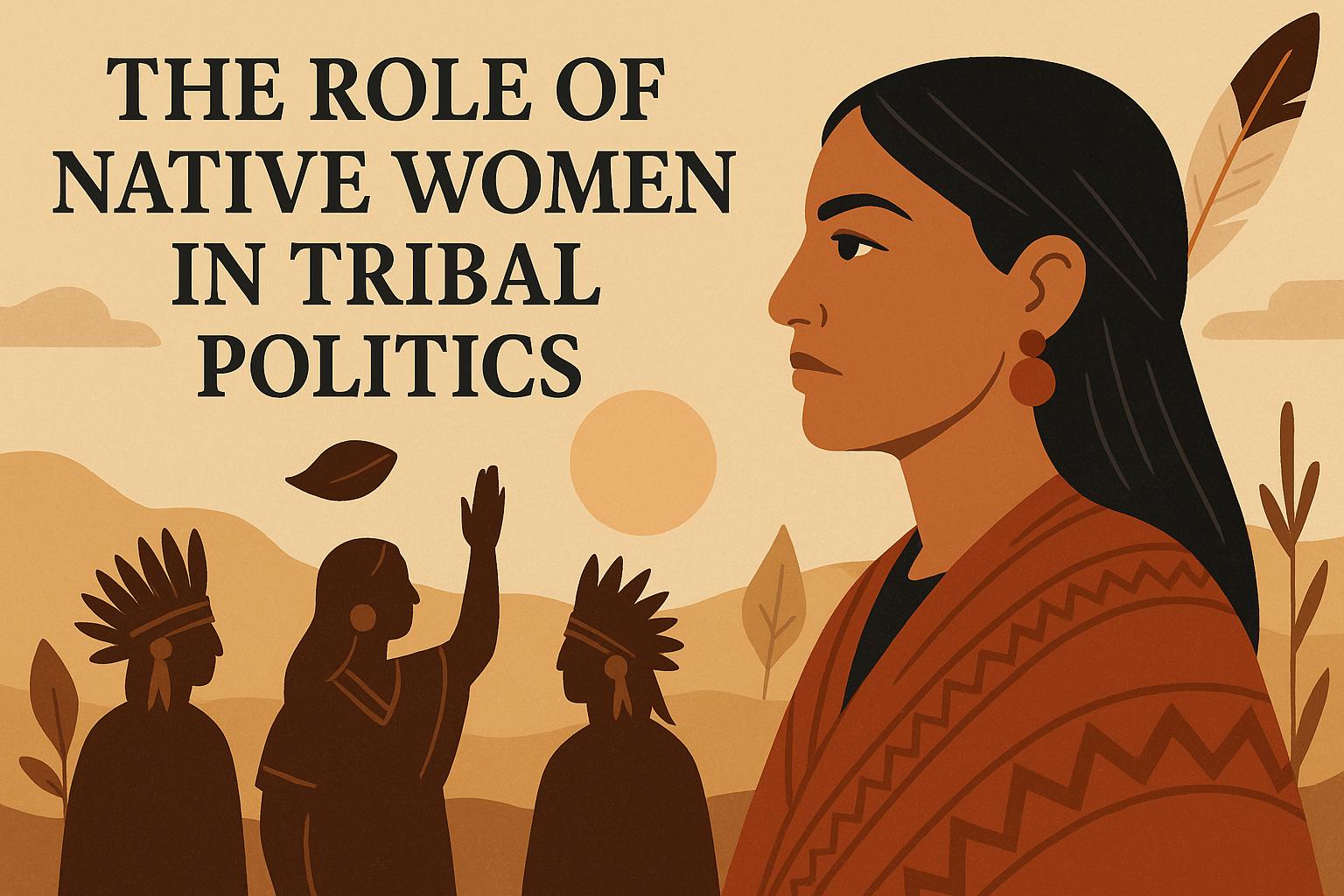
Native women have historically played a crucial part in tribal politics, reflecting a deep connection to their communities’ historical and social frameworks. In many Indigenous cultures, people followed matrilineal systems, where lineage and inheritance were traced through the maternal line. This societal structure often led to women having substantial authority and influence in decision-making and governance, as they were central to the social and familial harmony.
In tribes such as the Haudenosaunee Confederacy, also known as the Iroquois Confederacy, women played a vital role as Clan Mothers. These women were pivotal not only in political decision-making but also in maintaining spiritual and cultural integrity. They had the authority to nominate and depose chiefs, giving them a unique political power that was respected across the confederacy.
Modern Political Representation
In modern times, despite the impact of colonialism that eroded many Indigenous governance traditions, Native women are increasingly taking on leadership roles within tribal politics. Across North America, an increasing number of women are serving as elected leaders and officials in their tribes. These leaders take on the task of advocating for the sovereignty and rights of their people while addressing wider issues such as environmental sustainability, healthcare access, and education.
The visibility of Native women in these roles highlights a shift towards reasserting Indigenous governance systems that value and incorporate the unique perspectives and contributions of women.
Challenges Faced by Native Women in Politics
However, Native women pursuing political roles often encounter substantial challenges. One major hurdle is navigating the delicate balance between traditional Native values and the demands of contemporary political systems. These women often have to combat pervasive gender biases and systemic obstacles that can hinder their participation.
Additionally, they face the legacy of historical disempowerment due to colonial policies designed to undermine Indigenous governance frameworks. These policies have had a long-term impact, creating barriers that require immense resilience and determination to overcome.
Efforts to Enhance Participation
Recognizing these challenges, various efforts are underway to bolster the involvement of Native women in political arenas. At local and national levels, organizations and initiatives aim to empower these women through comprehensive leadership training, educational programs, and advocacy efforts. By engaging in conferences and workshops, Native women gain access to a network of support and resources that enhance their skills and effectiveness in political processes.
These programs are instrumental in nurturing a new generation of women leaders who are well-prepared to address both the needs of their communities and broader societal issues.
Conclusion
Native women continue to play a pivotal role in tribal politics, effectively bridging the gap between traditional governance and modern political structures. Their contributions extend beyond their communities, influencing the larger movement for Indigenous rights and self-determination. As they navigate and shape evolving political landscapes, their leadership remains a vital component of their tribes’ sovereignty and cultural resilience.
Their ongoing work ensures that Indigenous voices and perspectives are included in broader political dialogues, reinforcing the importance of Native women’s leadership in sustainable community development and cultural preservation.
For further information about initiatives supporting Native women in politics, explore resources from organizations such as Native American Women’s Health Education Resource Center and IllumiNative.