
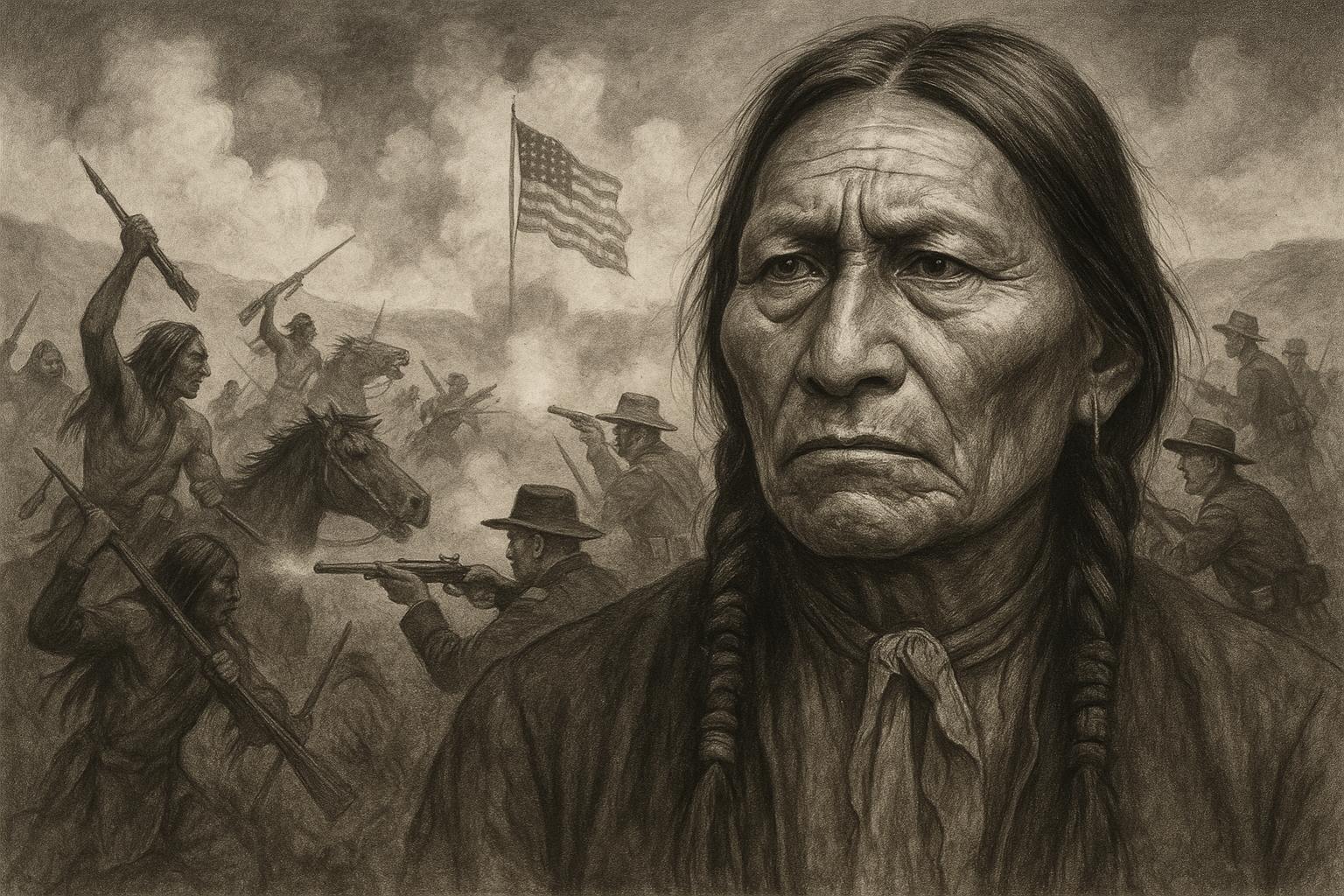
The Historical Context of the Indian Wars
The term “Indian Wars” refers to an extensive array of conflicts between European settlers, the burgeoning United States government, and numerous Native American tribes. Occurring sporadically from the 17th century through the 19th century, these wars were fueled by ambitions for territorial expansion, the pursuit of resources, and a series of cultural misunderstandings between the different groups. These conflicts played a significant role in shaping the historical trajectory of the North American continent.
Immediate Effects on Native American Societies
The immediate impact of the Indian Wars was profound and devastating for Native American communities. A wide variety of tribes encountered severe territorial losses, cultural disruption, and forced relocation. Legislative acts, such as the Indian Removal Act of 1830, were instrumental in facilitating these forced migrations. Perhaps the most infamous example is the Trail of Tears, where thousands of Native Americans were uprooted from their ancestral homelands and compelled to settle in designated areas far from their original territories.
Economic and Cultural Displacement
Economically, the consequences of the Indian Wars were catastrophic for Native American tribes. The loss of critical hunting grounds, fertile agricultural lands, and essential natural resources severely impacted their traditional ways of living. The establishment of the reservation system further exacerbated these challenges by significantly limiting the economic opportunities available to them.
Moreover, the cultural impact was equally significant. Assimilation policies, along with the establishment of boarding schools, aimed to suppress Native American cultural identities. These institutions were designed to indoctrinate Native American youth into mainstream Western culture, often penalizing the practice or even the knowledge of their native languages, customs, and traditions. This resulted in a deep fissure within the social fabric of Native American communities, leading to long-term cultural dislocation and identity crises.
Demographic Changes and Population Declines
A profound consequence of these incessant wars was the dramatic demographic shifts among Native American populations. There was a marked decline in their numbers, resulting from direct conflict, but also more significantly due to disease and malnutrition. The introduction of European diseases, such as smallpox, had a catastrophic impact, as Native Americans lacked immunity to these foreign ailments. The resulting epidemics often claimed more lives than warfare itself, contributing to a population decrease by millions over the course of these conflicts.
Long-term Consequences and Modern Reflections
The legacy of the Indian Wars is enduring, continuing to affect Native American communities in contemporary times. Many tribes still grapple with issues related to sovereignty, economic development hurdles, and the ongoing fight to preserve cultural heritage. The struggle for Native American rights remains an active and critical issue, as communities work to reclaim their history and assert their identity.
In modern reflections on these historical events, there has been a growing movement towards reconciliation and raising awareness about the rights and status of Native American communities. Recognizing past injustices has fueled increased efforts to enhance understanding and foster a dialogue aimed at repairing the historical wrongs. These endeavors include legal movements for land restitution, educational reform to incorporate more inclusive historical narratives, and cultural revival initiatives to rekindle traditional practices and languages.
For those seeking more detailed information about the Indian Wars and their far-reaching impact, you can explore this dedicated resource on Native American history.
In conclusion, the Indian Wars represent a pivotal series of conflicts that fundamentally reshaped the geographical and cultural landscape of the United States. By diving deeper into these events and their enduring impacts, one gains valuable insights into the ongoing challenges and triumphs of Native American communities today. Understanding this historical context is crucial to addressing contemporary issues surrounding sovereignty, cultural preservation, and economic development among Native American tribes. Only through a holistic comprehension of these past events can society move towards a future where reconciliation and justice are prioritized.