
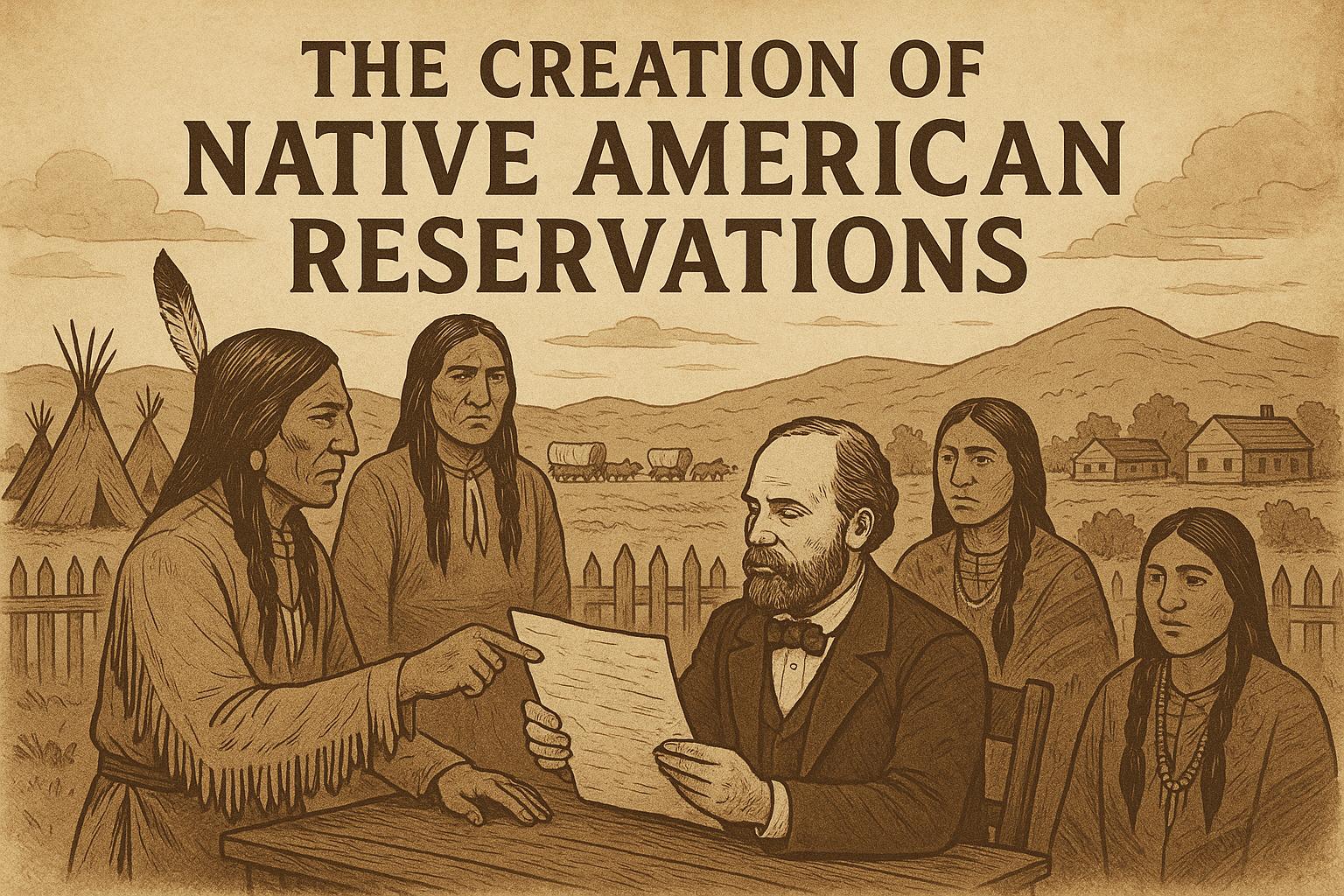
The Origins of Native American Reservations
The creation of Native American reservations in the United States represents a complex and multifaceted story that reflects the broader history of the nation. The foundation and evolution of these reservations cannot be fully understood without examining the initial encounters between European settlers and Native American tribes, the treaties that were crafted—or in some cases forced—between nations, and the evolving policies of the United States government over several centuries.
Early European Settlements and Native Lands
The 15th and 16th centuries marked a turning point for the indigenous peoples of North America. The arrival of European settlers brought significant upheavals to the established way of life for Native American tribes. Initial interactions ranged from trade and collaboration—mostly driven by settlers in need of local knowledge about survival and resources—to outright conflict and displacement. The settlers’ growing demand for land led to an ever-encroaching pressure on native territories, gradually reshaping the landscape and lives of Native Americans.
The acquisition of land by settlers was not an isolated or one-off event. It was a gradual process marked by an ever-increasing hunger for territory as European colonies began to flourish. Native lands, rich in resources and essential for expanding colonial economies, became the target for claims and settlements. Within this context, Native communities were often moved or driven from their territories by force or manipulation, setting the stage for future treaties and policies.
Treaties and Land Cession
A significant chapter in the interactions between Native Americans and the U.S. government during the 18th and 19th centuries involves a series of treaties. These treaties were often purported as agreements between sovereign nations but primarily served to transfer vast tracts of land to the federal government. Although some treaties were mutually agreed upon, the reality for many tribes was that these legal documents were signed under pressure or through coercive tactics. Misunderstandings or outright deceit characterized many negotiations, with language barriers and differing cultural conceptions of land ownership exacerbating the issues.
For a more detailed exploration of these treaties, resources such as the National Archives provide an extensive examination of treaty histories and their implications. The repository of treaties reveals not just the complex legalities involved but also the human stories of loss and adaptation that accompanied each step toward reservation creation.
The Indian Removal Act of 1830
The Indian Removal Act of 1830 stands as a significant moment that forever altered the lives of Native American tribes. Under the presidency of Andrew Jackson, the act authorized the forceful relocation of numerous tribes from their ancestral lands in the southeastern United States to designated areas west of the Mississippi River. This enforced migration, notoriously known as the “Trail of Tears,” resulted in high mortality rates, immense suffering, and a fundamental disruption of tribal societies.
The logic behind the removal was tied to the perceived necessity of clearing lands for white settlement and economic exploitation, depicting the insidious intersection of expansionist policies and racial ideologies. The impact on Native communities was devastating, disrupting established social structures, traditional practices, and the intimate connection between people and place that had existed for centuries.
The Dawes Act and Allotment Policies
The reshaping of Native American landholding didn’t stop with displacement. The General Allotment Act of 1887, more commonly known as the Dawes Act, was another pivotal legislation aimed at assimilating Native Americans into American society. By dividing tribal-held lands into individual parcels and opening remaining lands to non-Native settlers, the legislation further stripped tribes of their territorial holdings and weakened traditional communal and governance systems.
The ideology behind the Dawes Act erroneously assumed that assimilating Native Americans into a European-American model of land ownership and agriculture would benefit them and integrate them economically and culturally. However, the reality was a dramatic loss of land and resources for Native tribes, further entrenching the economic and social issues they faced.
Creation and Evolution of Reservations
As a response to these historical developments, reservations began to take shape during this period. Though the intent behind setting aside land for tribes might have been to preserve a cultural lifeline for Native communities, the land typically assigned to reservations was often of poor quality and located in areas that were difficult to cultivate or develop economically. Nonetheless, over time, some reforms were introduced, such as giving tribes more control over governance and resources, albeit with varying degrees of success.
Improvements came slowly, and efforts to support economic development, healthcare, and education on reservations sought to alleviate some of the challenges faced by Native communities. Despite such attempts, many reservations continue to struggle against significant socioeconomic challenges, with efforts to improve these conditions ongoing.
Contemporary Issues
In the present day, Native American reservations represent a blend of traditional and modern governance, a complex tapestry of federal, state, and tribal laws and customs. While some reservations have managed to create sustainable economic projects, others continue to face difficulties such as poverty, unemployment, and limited access to quality education. Yet, amid these challenges, reservations remain vital centers for cultural preservation, enabling tribes to maintain their languages, traditions, and political sovereignty.
Modern organizations like the Native American Rights Fund actively engage in addressing ongoing issues and advocating for the rights and development of Native communities. Focused discussions around treaty rights, land restoration, and economic development remain as crucial now as they were centuries ago, highlighting the continued resilience and determination of Native American tribes.
The historical journey of Native American reservations illuminates a tumultuous path marked by loss, adaptation, and resilience. Understanding this history allows for a more informed dialogue on contemporary issues, fostering a more nuanced approach to addressing present-day challenges and supporting future development for Native American communities. Through awareness and proactive engagement, there lies potential for continued cultural revival and socio-economic progress within these historically significant lands.