
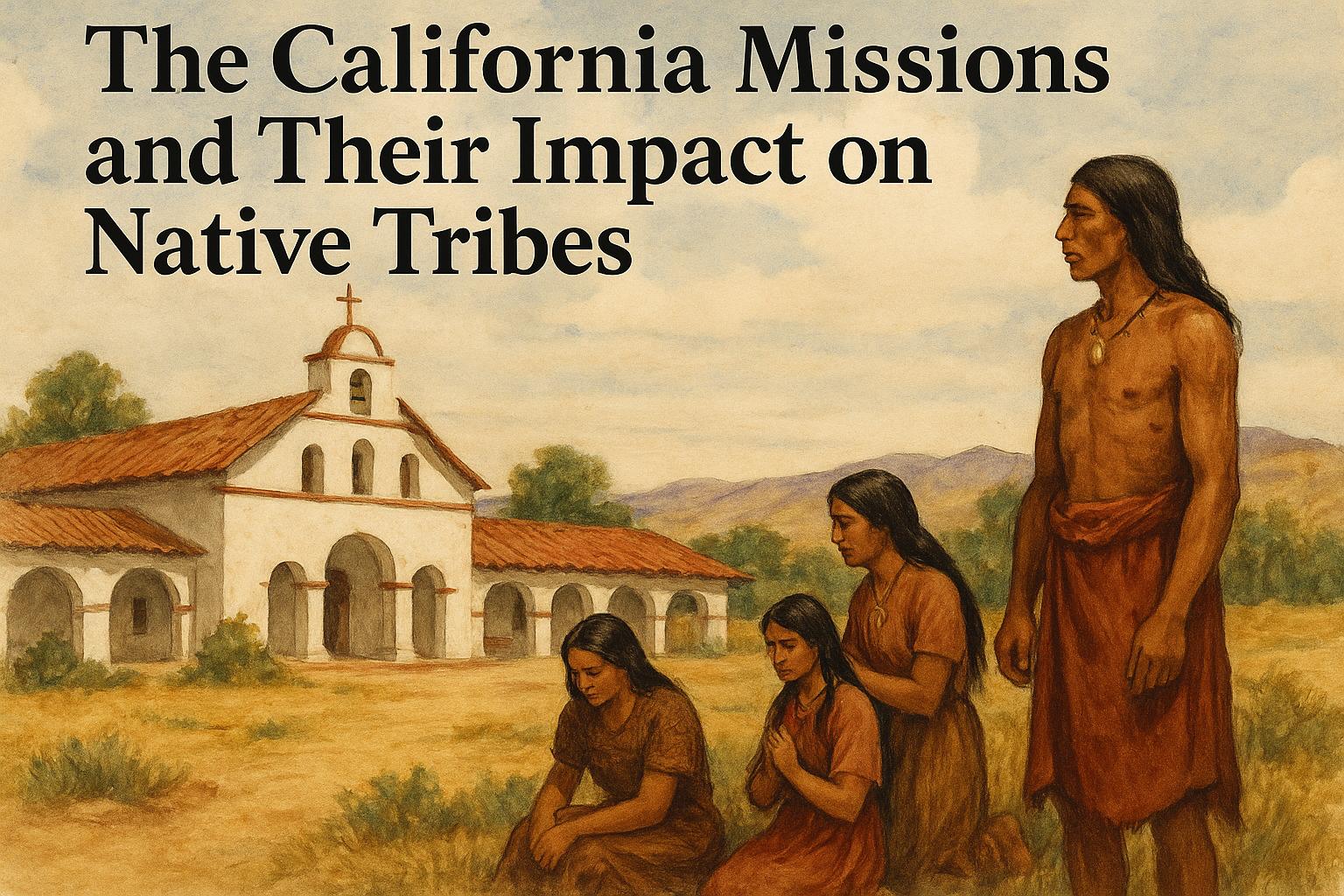
The Establishment of the California Missions
The California Missions, established between 1769 and 1833 by Spanish missionaries from the Franciscan order, played a pivotal role in the history of both California and the broader Spanish colonial endeavors in the New World. Comprised of 21 missions stretching from San Diego to Sonoma, they symbolize a significant chapter in the cultural and geographical shaping of the region.
Purpose and Structure
The primary objective of these missions was twofold: to disseminate Christianity among the Native American tribes and to establish Spain’s territorial dominance in California. Missions functioned as self-reliant entities that integrated various facets of an economic and social community. Agriculture was a cornerstone of life within the missions. Missionaries and the Native American converts cultivated essential crops such as wheat, corn, and beans, which sustained the community and supported Spain’s colonial ambitions by providing economic stability.
Aside from agriculture, missions boasted diverse workshops that produced everything from pottery to textiles. This self-sufficiency was pivotal, not just for survival, but for the ability to thrive independently of external supplies. A hallmark of this network was El Camino Real, or the Royal Road. This well-trodden path connected the missions, enabling ease of communication, supply transport, and movement of personnel between these settlements.
Impact on Native American Tribes
The founding of the missions had unparalleled impacts on the indigenous peoples of California. Though their stated intention was religious conversion, the reality for Native Americans often veered far from these goals, resulting in significant socio-economic upheavals.
Cultural Displacement
Upon entering the mission system, indigenous peoples faced a forced cultural transformation. Spanish customs, including language, clothing, and religious practices, were given precedence over age-old Native traditions. As a result, in just a few decades, centuries-old cultural practices were at risk of extinction. The imposition included not just customs, but a restructuring of daily life, where activities were dictated by mission needs rather than traditional practices.
Population Decline
The mission era also marked a severe reduction in the Native American population. While demographics shifted due to intentional religious conversion, it was primarily diseases introduced by Europeans that precipitated this devastating decline. Indigenous people lacked immunity to illnesses such as smallpox, influenza, and measles, leading to widespread fatalities. Alongside disease, the conditions within missions were harsh, and these often detrimental environments contributed to the high mortality rates.
Labor Exploitation
The operations of missions depended heavily on Native American labor seen more as a resource to be harnessed than a people with rights or autonomy. Converts were often compelled to work in fields, workshops, or in maintenance roles necessary for the success of the mission’s economy. Such expectations and requirements consistently disrupted traditional lifestyles, with many Native Americans finding themselves in roles starkly different from those in their community settings.
Legacy and Modern Perspective
In contemporary times, the California Missions are viewed through a divided lens: as iconic landmarks celebrating spiritual and cultural history and as places showcasing the darker shadows of colonization. Discussions today often center on reconciling these aspects, urging the incorporation of both perspectives in historical narratives and education.
Preservation Efforts
Many missions have undergone extensive historical preservation to safeguard both their architecture and storied legacy. Organizations endeavor to maintain the missions while ensuring that both their historical significance and the complexities of their past are conveyed. Visitors to these historic sites can view the original structures, many of which have remained intact over the centuries, standing as silent witnesses to California’s colonial history.
In addition to preservation, there is a continued push for education and contextual interpretation. Organizations, historical societies, and local history centers provide resources such as guided tours, informational pamphlets, and workshops, offering a comprehensive understanding of each mission’s unique history. For those interested in a deeper exploration, outreach materials and online resources can offer further comprehensive details. This resource serves as a useful guide.
Efforts made today seek to respect the complexities of this period, recognizing both the beautiful and oppressive aspects of the mission era, which remain integral to California’s cultural fabric. By understanding the full legacy of these missions, we can better appreciate the multifaceted history they encapsulate.