
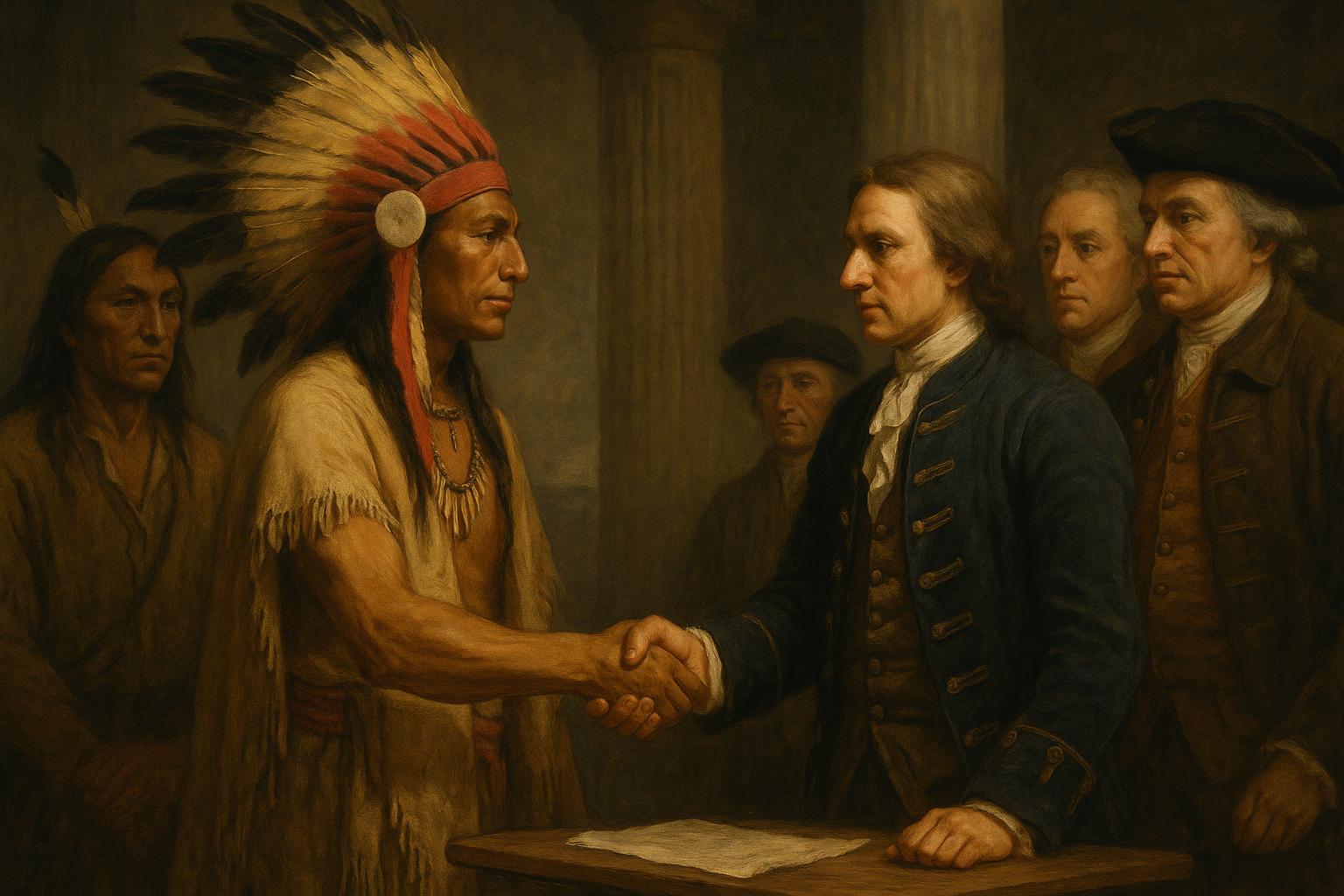
The Historical Context of Native American Diplomacy
The historical backdrop of Native American diplomacy with European powers is vital to grasping its nature and importance. Before the advent of Europeans in the Americas, the continent was home to diverse indigenous communities, each with distinctive governance and social organization. These communities were adept at managing relationships with each other, often through sophisticated systems of alliances and conflict resolution. This rich pre-colonial diplomatic tradition informed the way Native American tribes interacted with European settlers.
The Arrival of Europeans
When European powers began their foray into the New World, they found themselves amidst a vast and unfamiliar land occupied by a plethora of tribes. These groups, such as the Algonquin, Iroquois, Cherokee, and numerous others, had established longstanding relationships amongst themselves, marked by trade, marriage alliances, and, occasionally, conflict. The Europeans, including the Spanish, French, English, and Dutch, were eager to exploit the resources of this new land and saw alliances with indigenous tribes as crucial to their colonial ambitions.
The presence of multiple European powers in North America laid the groundwork for a complex quadrilateral diplomacy involving Native American tribes and European nations. Each entity had its objectives, and tribes were often faced with the challenging decision of choosing which colonial power to align with, if any.
Tools of Diplomacy: Marriage and Trade
Beyond formal treaties, other diplomatic tools such as intermarriage with Europeans and trade emerged as significant. Marriages between European settlers and Native Americans occasionally served diplomatic purposes, cementing alliances and fostering mutual understanding. Trade, nonetheless, became the most apparent and impactful tool of diplomacy. The European demand for goods like fur, combined with Native American interest in obtaining European technology and goods, resulted in a robust trade network that was integral to maintaining peaceful relations.
The exchanging of goods was not solely about commerce. It was often laden with diplomatic significance. Gift-giving, a practice deeply rooted in Native American culture, was adopted by European traders to mend disputes, secure alliances, and establish goodwill.
Challenges to Sovereignty and Autonomy
Despite strategic efforts to engage diplomatically, Native American tribes frequently confronted challenges that threatened their sovereignty. The imposition of European laws and beliefs, especially ideas surrounding land ownership, often clashed with Native American ideologies. For many tribes, land was viewed as a communal resource rather than an individual possession, a concept unfamiliar to European settlers operating under a framework of private property.
Forced assimilation policies and missionary work further complicated these relationships. As European powers sought to impose their cultural norms and religious beliefs, tensions arose, leading Native tribes to resist encroachments on their cultural autonomy. This resistance was not solely armed but also involved maintaining traditional practices, languages, and governance structures against external influences.
Diplomatic Resilience Amidst Conflict
The diplomatic resilience of Native American tribes deserves recognition. Even when faced with the overpowering military might of European powers, Native tribes continued to engage in diplomacy to influence outcomes in their favor. They navigated complicated geopolitical landscapes by shifting alliances, leveraging their knowledge of the land, and engaging in negotiation.
Conflicts such as the French and Indian War and various local skirmishes demonstrated the precarious balancing act tribes had to maintain to ensure their survival. Many tribes adopted a pragmatic approach to diplomacy, recognizing when to cut losses in territorial disputes or when to re-align to a new ally to suit the changing political landscape.
Legacy Through Law and Policy
The enduring legacy of Native American diplomacy is manifest in modern legal and political frameworks. Sovereignty, established through centuries of treaty-making and negotiation, continues to guide contemporary tribal governance and interaction with national governments. Modern treaties and agreements often reference the historical context of colonial-era diplomacy, acknowledging the complex layer of agreements and betrayals that punctuated this history.
Furthermore, Native American tribes have used historical treaties as leverage in legal battles, demanding their recognition and enforcement in contemporary scenarios. Tribes have sought restitution and land rights, drawing from precedents established during their early negotiations with European powers.
Lessons and Reflections
In reflecting on Native American diplomacy, contemporary society can derive lessons on the value of dialogue, the necessity of respect for cultural differences, and the importance of honoring agreements. The history of these interactions underscores the need for empathy and understanding in international relations, especially in multicultural settings.
Understanding the depths of Native American diplomacy provides invaluable insight into the resilience and continued agency of these communities. It highlights how they adapted to the evolving challenges of colonial expansion and offers a powerful narrative of the enduring strength and wisdom of Native American cultures in the face of adversity. Through exploring this diplomatic history, it becomes evident that the nuances of negotiation, alliance, and resistance have significantly shaped the modern relationship between Native American tribes and the wider world.