
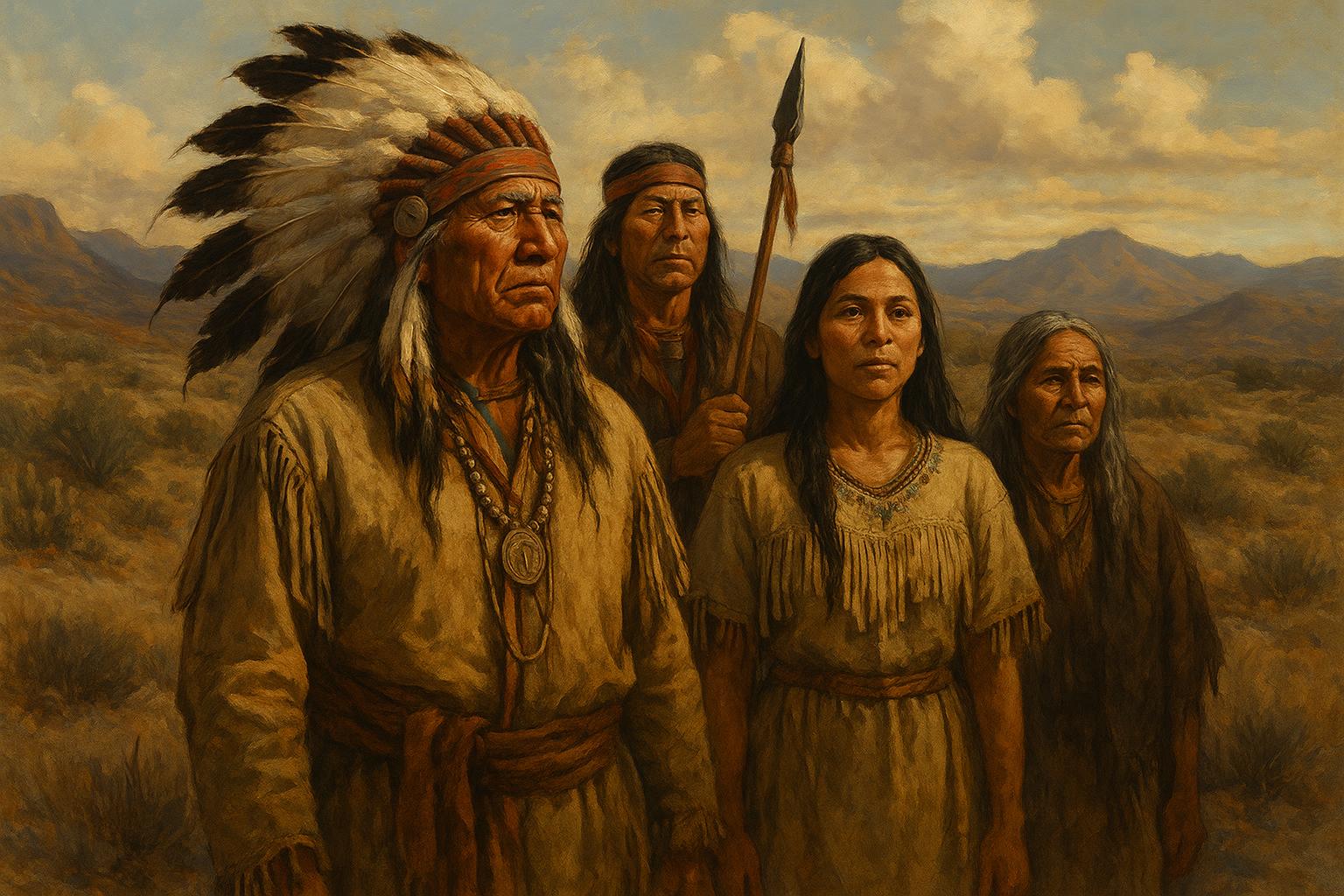
The Last Free Native American Tribes: An Overview
The final chapters of Native American resistance and sovereignty reveal complex narratives of resilience, warfare, and adaptation during and following European colonization. The history of these tribes reflects rich cultural traditions that persist in various forms today. This document will provide an extended discussion on several tribes that played pivotal roles during these final chapters, elaborating on their unique stories and legacies.
The Apache Tribes
By the late 19th century, the Apache tribes, recognized for their formidable warrior culture, remained among the last Native American groups to actively resist U.S. military campaigns. The Apache’s geographical landscape, consisting of the rugged terrains of Arizona and New Mexico, provided both challenge and advantage in their resistance efforts. The leadership of the iconic Apache figure, Geronimo, became emblematic of Native American defiance during the 1880s. Geronimo’s tactical skill and unyielding determination made him a symbol of perseverance against overwhelming odds.
Geronimo’s resistance, culminating in 1886 with his eventual surrender, was marked by a series of strategic skirmishes and evasive maneuvers that frustrated the U.S. military. Despite his eventual capture, Geronimo’s commitment to preserving his people’s way of life illustrates the broader struggle faced by many Native American tribes during this period. Even in captivity, he remained an influential figure, advocated for the rights of his people, and ensured the continuation of Apache cultural practices.
The Nez Perce
The Nez Perce tribe is notable for their prolonged and determined resistance efforts, particularly under the leadership of Chief Joseph. The Nez Perce lived in the Pacific Northwest, region historically rich with natural resources and beauty. In 1877, the tribe embarked on an extraordinary 1,170-mile retreat, attempting to evade U.S. forces and ultimately seeking refuge in Canada. Chief Joseph’s leadership during this arduous journey exemplified strategic planning and exceptional navigational skills.
This retreat, comprised of numerous battles and strategic maneuvers, showcased not only the tribe’s tactical acumen but also their tenacity and resolve to maintain their cultural autonomy and protect their ancestral lands. The Nez Perce’s journey remains a powerful testament to their undying resilience and their deep connection to their homeland. Although they were eventually intercepted and forced to surrender just 40 miles from the Canadian border, their story remains a poignant symbol of determination and loss.
The Seminole Tribe
The Seminole people of Florida are unique in their resistance narrative, as they never officially surrendered to the United States. Originally a diverse group formed in the 18th century, they exemplified adaptive agency by integrating various cultural groups. The Seminole engaged in three significant conflicts with the U.S. government, known as the Seminole Wars, resisting removal policies and fighting to remain in their native Florida.
Their ability to strategically use the challenging terrain of Florida’s swamps and wetlands provided a defensive advantage that obstructed U.S. military attempts to capture them. The complexity of their resistance is not only found in their military tactics but also in their adaptation to new circumstances while maintaining a strong cultural heritage. This persistence allowed for a sovereign presence in Florida that continues today, with the Seminole recognized for their successful modern enterprises in gaming and tourism. The tribe’s story is one of adaptation and survival, contributing significantly to the economic landscape of indigenous America.
The Shoshone
The Shoshone people, including the Northern Shoshone and other related groups, faced unique challenges during westward expansion. They utilized strategic alliances and guerrilla tactics to navigate the pressures of increasing settler encroachments. Figures such as Chief Washakie of the Eastern Shoshone played crucial roles in shaping the tribe’s interactions with the U.S. government. Chief Washakie is remembered for his diplomatic efforts to secure a peaceful resolution for his people.
He engaged in treaties that aimed to ensure land rights while maintaining peace, showcasing a nuanced understanding of diplomatic negotiation in a period marked by conflict and upheaval. The Shoshone’s history of resilience and adaptation underscores enduring themes of survival and cultural continuity amid external pressures to assimilate.
Resilience and Legacy
Despite eventual military defeats and forced relocations, these tribes maintained essential elements of their cultural identity and autonomy. They managed to preserve core cultural traditions, language, and social structures that continue to resonate into the modern era. Their resilience continues to be a source of inspiration and cultural pride.
In contemporary times, many Native American tribes, including those discussed, have gained legal and economic successes. Efforts to champion their rights and interests reflect in cases of land reclamation, cultural revitalization programs, and economic development initiatives. This progress, however, exists alongside challenges related to policy, reparative justice, and cultural preservation. The need for ongoing dialogue and mutual understanding with federal and state governments remains essential.
Moreover, the narratives of these tribes underscore not only historical challenges but also contemporary efforts to honor cultural heritage and self-governance. With increased representation and legal victories, numerous indigenous communities have influenced policy-making, preserving natural resources, and cultural renewal activities such as language preservation and traditional arts.
For further reading on indigenous history and contemporary issues, resources from organizations such as the Native American Rights Fund offer insightful perspectives. By exploring these narratives and organizations’ efforts, one gains a deeper understanding of indigenous peoples’ enduring legacies and their integral place in the broader cultural and historical landscape of America.