
Introduction
The evolution of military tactics is a journey marked by numerous influences emerging from diverse civilizations across time. While often overshadowed by innovations originating from Europe or Asia, the contribution of Native American tribes to military practices is substantial and distinct. The essence of their impact lies in their remarkable adaptability, profound environmental insight, and unique combat methodologies. Through these attributes, Native American tribes have played a noteworthy role in shaping military tactics practiced not only during historical confrontations but also applicable within the framework of contemporary military strategies.
Adaptability and Guerrilla Tactics
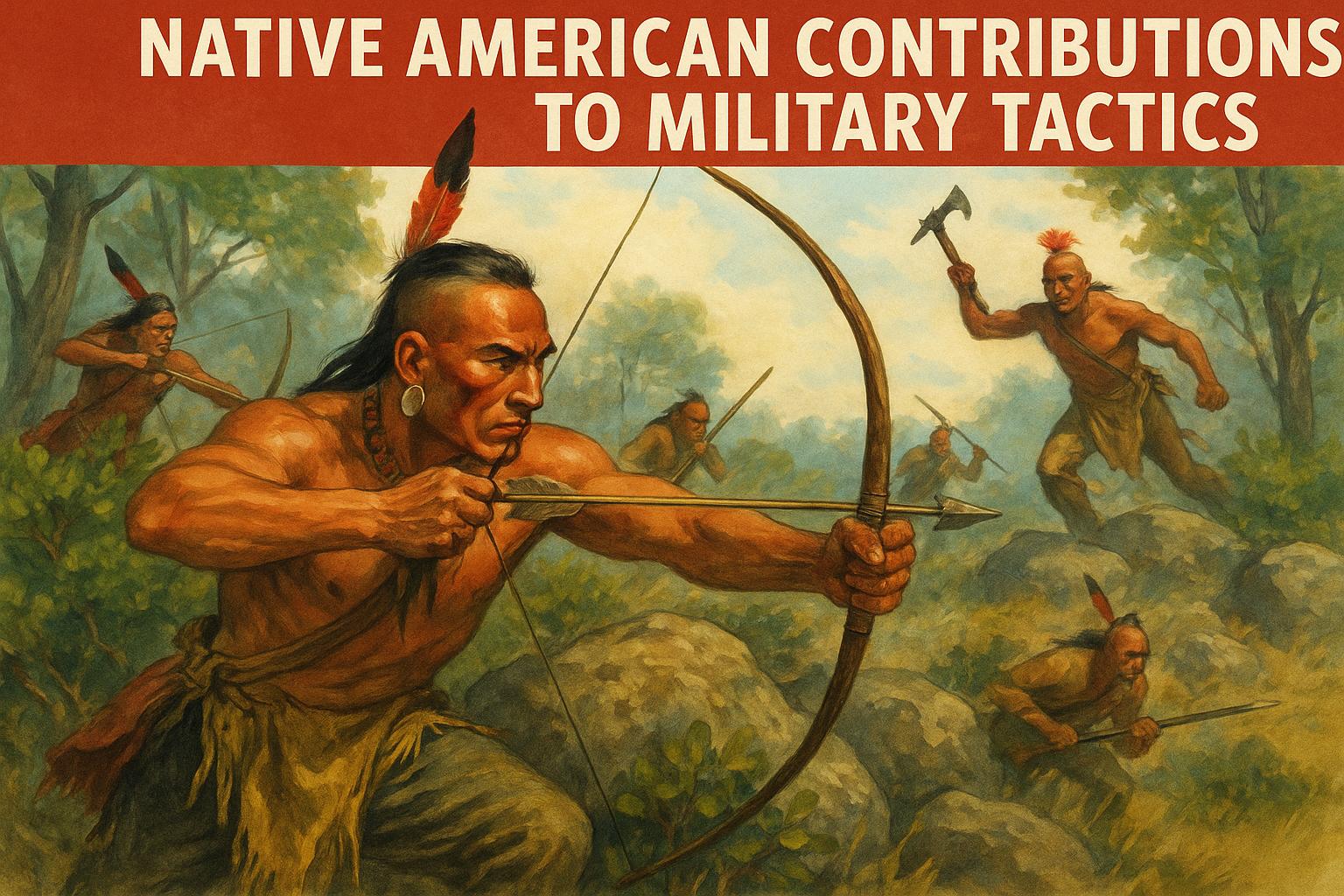
Among the various strategic strengths that Native American tribes brought to the table, their employment of guerrilla warfare stands out prominently. Possessing an intrinsic understanding of the local terrain, these tribes were skilled in executing surprise attacks with extraordinary efficacy. In contrast to European military doctrines that emphasized large-scale formations and direct, head-on engagements, Native American tactics were centered on mobility, concealment, and swift adaptability. Such a flexible approach allowed smaller, less-equipped groups to engage and at times overcome larger, well-armed enemy forces.
In their clashes with European settlers, tribes such as the Comanche and Apache epitomized this form of conflict. As adept horsemen, they wielded hit-and-run tactics that baffled foes who were unfamiliar and unprepared for such mobile and elusive warfare strategies. These tactics not only served immediate military objectives but also had lasting influence on the development of guerrilla warfare principles.
Environmental Acumen
Another defining attribute of Native American military proficiency was their nuanced understanding of the environment. This deep-seated knowledge of local geographies and ecosystems played a critical role in their strategic and tactical planning. By using the terrain to their advantage, Native American forces were able to conduct operations efficiently in areas where adversaries often faced significant challenges due to unfamiliarity.
A pertinent example can be found in the King Philip’s War during the late 17th century. Native forces capitalized on their intimate knowledge of New England’s landscape to orchestrate effective raids against colonial settlers. This environmental acumen enabled them to carry out swift retreats, discover concealed pathways, and evade detection. Such strategic advantages stemming directly from environmental familiarity were critical to their military successes.
Signaling and Communication
Communication effectiveness cannot be overstated in the context of military operations. Native American tribes developed sophisticated signaling systems that facilitated a high degree of tactical coordination during combat scenarios. Employing methods such as smoke signals, drum beats, and carefully devised visual cues, they communicated across vast distances without reliance on complex technological interventions.
This efficient mode of non-verbal communication was pivotal in retaining the element of surprise, a cornerstone of Native American military tactics. These communication methods have been subjected to modern study and adapted for various strategic purposes, underscoring their enduring value and applicability in warfare.
Scouting and Reconnaissance
The emphasis placed by Native American tribes on scouting and reconnaissance functions significantly contributed to their military effectiveness. Scouts, who were often highly skilled individuals, provided essential intelligence regarding enemy movements and terrain features. The strategic value of scouts was evident in their ability to avoid unwanted surprises and facilitate informed decision-making.
Recognition of these skills extended beyond tribal conflicts. During the American Civil War and subsequent engagements, the expertise of Native American scouts was both acknowledged and harnessed, offering tangible strategic advantages. These scouting and reconnaissance practices have had a lasting imprint on modern military reconnaissance techniques.
Conclusion
In summary, the influence of Native American contributions to military tactics is both profound and multifaceted. Centered on guerrilla warfare principles, environmental expertise, and effective communication strategies, these elements have transcended historical contexts to inform contemporary military practices. Acknowledging these contributions not only enhances the understanding of military history’s rich tapestry but also underscores the enduring value of indigenous knowledge systems.
For those seeking to delve deeper into this topic, a multitude of resources can be accessed through historical military archives and Native American cultural institutions. These sources offer detailed insights into the strategic methodologies that have, over time, become engrained in the fabric of global military history and strategy.