
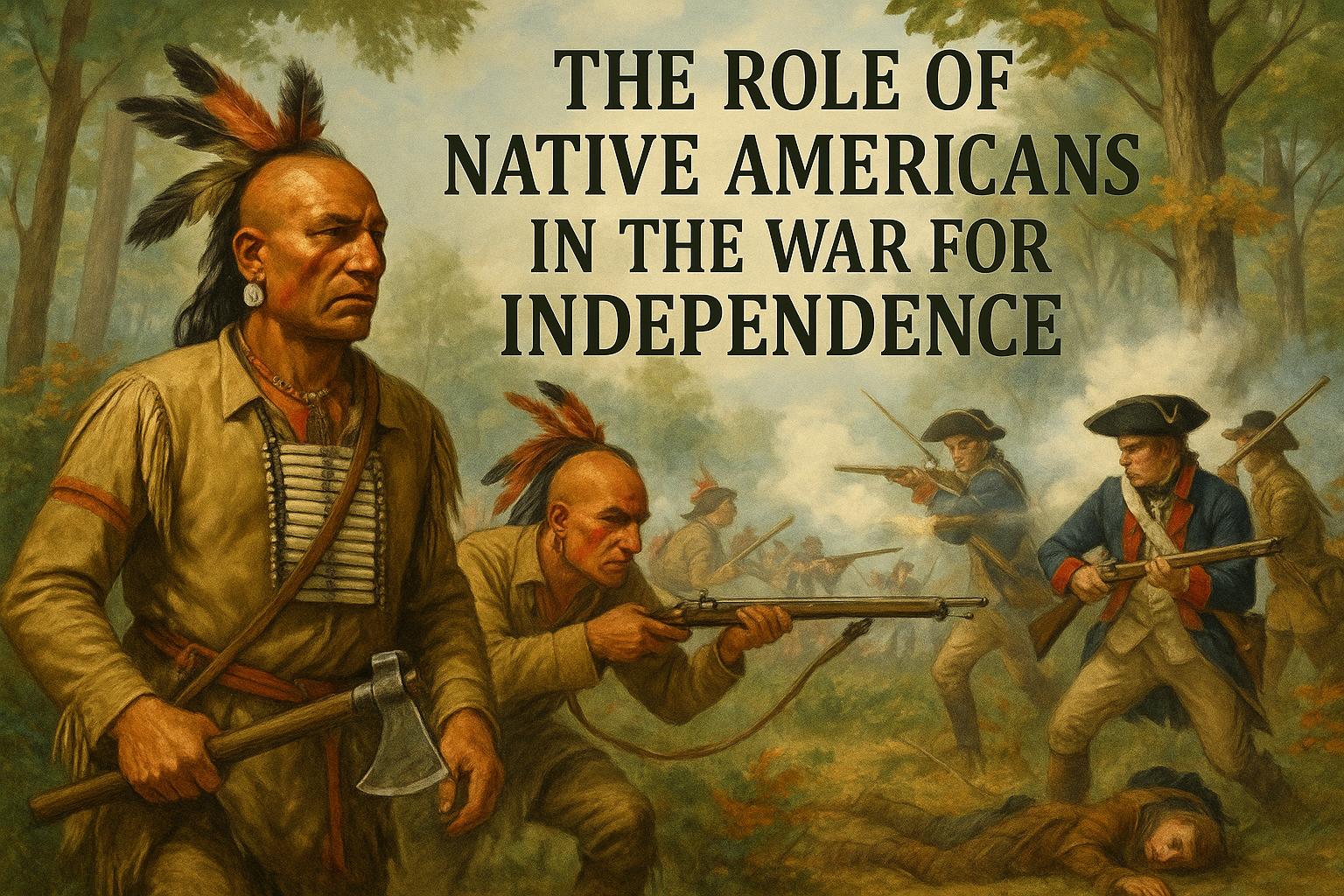
The Involvement of Native Americans in the War for Independence
The role of Native Americans in the War for Independence presents a complex narrative of alliances, strategic decisions, and consequential impacts. Their involvement was not monolithic, as different tribes made varied decisions based on their unique circumstances and perspectives, navigating a turbulent landscape during a transformative period in American history.
Alliances with the British
Many Native American tribes formed alliances with the British during the American Revolutionary War. The motivations behind these alliances were rooted in strategic considerations and longstanding interactions with European powers. One primary reason for this choice was the belief that a British victory would best protect their lands from colonial encroachment. The British had often enacted policies that limited colonial expansion into Native territories. For instance, the Royal Proclamation of 1763 was designed to stabilize relations with Native Americans through the regulation of trade, settlement, and land purchases on the western frontier.
For the British, securing the support of Native American tribes offered a tactical advantage, providing essential knowledge of the land and assistance in controlling key territories. In return, many tribes sought assurances that their lands and way of life would be preserved under British governance.
The Iroquois Confederacy, which consisted of the Mohawk, Seneca, Cayuga, Onondaga, and Tuscarora tribes, largely supported the British. This decision, however, led to internal divisions within the confederacy as different tribes and factions varied in their support. Among these tribes, the Mohawk, under the leadership of Joseph Brant, were particularly influential in advocating for the British alliance. This decision placed them in direct conflict with tribes like the Oneida who chose to support the revolutionary cause.
Support for the Colonists
On the other side of this complex web of alliances, some Native tribes chose to support the colonists in their struggle for independence. Among these were the Oneida and a faction of the Tuscarora, who found shared aspirations or strategic benefits in allying with the patriots. Their support was manifested in various forms: providing intelligence crucial to military strategy, fighting alongside the colonists, and offering refuge to those fleeing from conflict areas.
The Oneida’s decision to support the American revolutionaries was influenced by their longstanding interactions with settlers in the region of what is now New York State. These interactions, often characterized by trade and mutual cooperation, fostered a rapport and understanding that led the Oneida to align themselves with the colonial cause. The relationships they had cultivated suggested a common future, alongside assurances of sovereignty and land protection articulated by revolutionary leaders.
The Impact of the War on Native American Tribes
The war significantly impacted Native American communities in profound and lasting ways. As battles raged across Eastern North America, many Native lands became contested sites of conflict, turning serene landscapes into war-torn battlefields. Native populations were subjected to tremendous hardships, including violence, displacement, and outbreaks of diseases introduced through increased interactions with European soldiers and settlers.
Additionally, the conclusion of the war saw the emergence of treaties and agreements often unfavorable to Native American tribes, regardless of their alliances during the conflict. The victors of the war seemed to lack the foresight or will to integrate Native sovereignty and interests into the new political order that emerged in the wake of independence.
With the Treaty of Paris in 1783 ending the war, the document notably failed to acknowledge or secure any protections for Native American allies. Despite their significant contributions to either side, Native American tribes found themselves marginalized at the negotiating table, their rights and territorial claims largely ignored. This oversight paved the way for an influx of settlers and the westward expansion, often undermining earlier agreements and territorial rights that had been either acknowledged or promised by the British to gain Native American support during the war.
Long-term Consequences
The aftermath of the War for Independence introduced a period marked by further diminishment of Native American autonomy and territory. As the new United States expanded its horizons westward, a narrative of progress and manifest destiny began to unfold—a narrative that frequently positioned Native Americans as obstacles to be overcome rather than sovereign entities to be respected.
Native lands were frequently ceded through treaties that were enforced more through coercion than amicable agreements. Legal promises made transient by necessity gave way to military encounters, forceful removals, and subsequent treaties reflecting the imbalanced power dynamics of the burgeoning United States. This era set a precedent for how the United States would engage with Native populations, characterized by a persistent push for land acquisition at the cost of displacing indigenous communities.
The war also laid the groundwork for future policies and attitudes toward Native Americans, fostering a legacy fraught with continued conflict and efforts to assimilate Native Americans into Euro-American culture and society. This impact extended into the social fabric, influencing identity, cultural practices, and the political agency of Native tribes for generations.
In conclusion, the involvement of Native Americans in the War for Independence was multifaceted, marked by strategic calculations to safeguard their communities’ interests amid unpredictable alliances. Despite their significant roles and contributions, the war’s outcome largely overlooked their rights and treaties, ushering in an era of continued conflict and displacement. The nuanced narratives of Native American participation during this formative period reveal a complex interplay of aspiration, resistance, and survival. For further examination of this topic, sources such as Native American History resources provide a deeper insight into the nuances of their involvement.