
The Historical Context
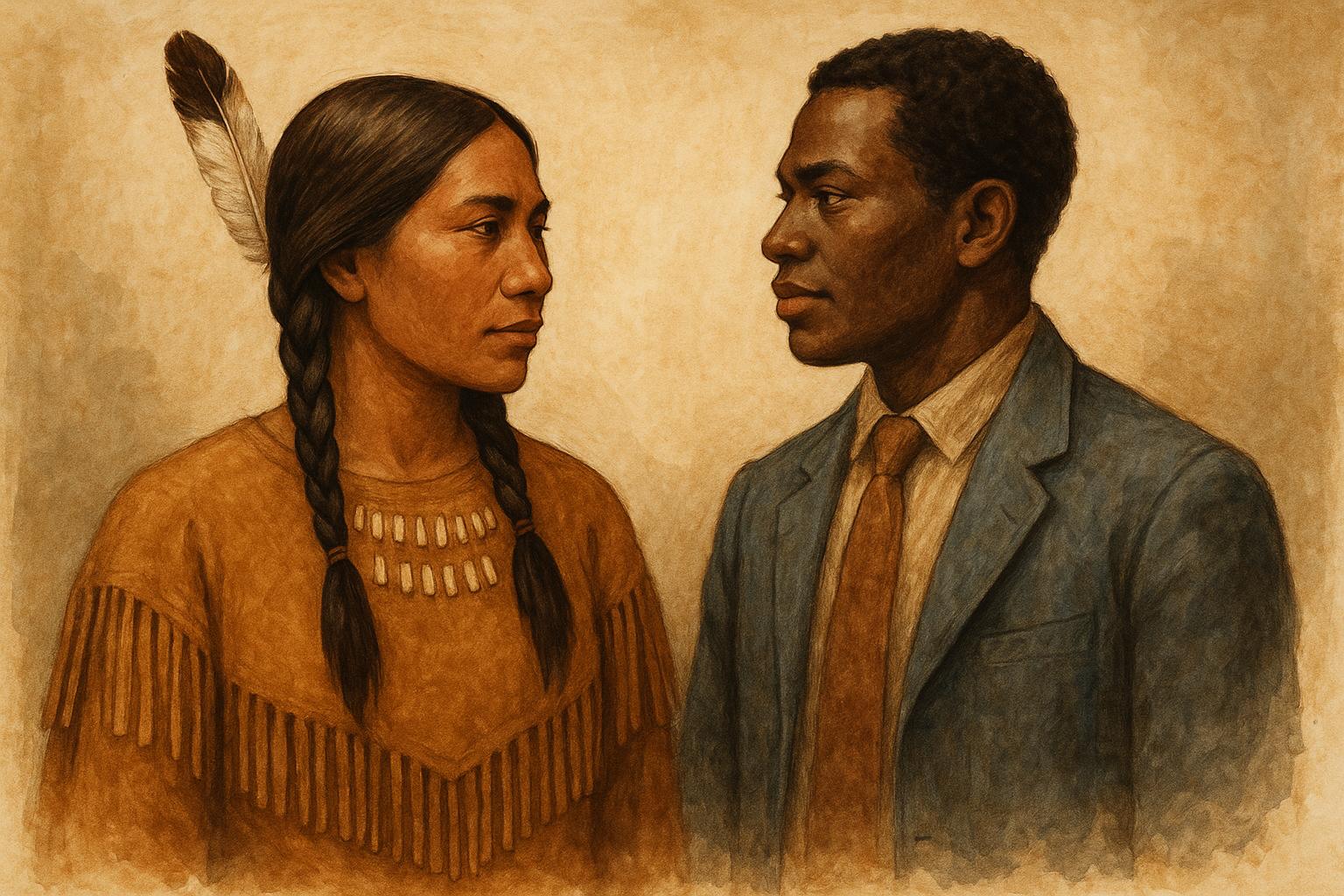
The relationship between Native American tribes and African Americans is complex and multifaceted, shaped by historical events and policies that affected both groups. Both communities have faced systemic discrimination and marginalization, yet their histories are distinct with various points of intersection. Understanding these intersections requires a deep dive into the historical conditions that influenced their interactions and shaped their shared experiences.
Shared Experiences of Oppression
Both Native American and African American communities have endured severe oppression since the period of European colonization in America. Colonial and U.S. government policies forced Native American tribes off their ancestral lands, while African Americans were brought to the Americas through the transatlantic slave trade. These experiences laid a foundation of mutual understanding and, at times, collaboration. The oppressive systems forced upon these communities by European colonizers set them on paths fraught with challenges, yet these difficulties also created a common ground and a shared narrative of resistance and endurance.
With the advent of European colonization, Native Americans faced unprecedented disruptions as their territories were encroached upon for settlement and economic exploitation. The colonizers not only sought to occupy the land but also endeavored to change the cultural and social fabric of Native societies through conversion and assimilation policies. Concurrently, African Americans faced the brutal reality of chattel slavery, which stripped them of their freedom and subjected them to harsh living conditions and forced labor. This backdrop of violence and exploitation created avenues for these communities to seek solidarity, strengthening bonds through shared adversities.
Unique Tribal Histories and African American Inclusion
Many Native tribes, such as the Cherokee, Choctaw, Creek, Chickasaw, and Seminole, have interacted significantly with African Americans, especially in the Southern United States. During the era of slavery, some tribes held enslaved African Americans, while others welcomed them as free individuals seeking refuge from enslavement. The relationship varied greatly between tribes and was heavily influenced by geographic location and specific tribal policies. Some tribes saw the inclusion of African Americans as a strategic alliance, while others integrated them fully into their communities, recognizing shared struggles against European expansion and oppression.
For instance, the Seminole tribe in Florida is a significant example of a Native community that embraced African Americans who had escaped slavery. This alliance resulted in the formation of the Black Seminoles, who became an integral part of the tribe’s social and cultural fabric. Conversely, other tribes such as the Cherokee practiced slavery, reflecting the complex spectrum of relationships between these groups. Such diversity in experiences illustrates the nuanced history of Native and African American interactions.
The Impact of Removal and Resettlement
The Indian Removal Act of 1830 played a crucial role in reshaping these relationships. The forced relocation known as the Trail of Tears affected tribes and their African American members. Many African Americans traveled with tribes during forced migration, fostering deeper cultural ties and shared experiences of suffering and endurance. This period of displacement was marked by extreme hardship as entire communities were moved across vast distances under inhospitable conditions, leading to significant loss of life.
During these forced migrations, the shared suffering of Native and African American individuals strengthened bonds and coalesced communities that were often scattered and fragmented. The blending of traditions and the struggle for survival under oppressive conditions often led to a shared cultural milieu that influenced both groups profoundly.
Legal and Social Considerations in the 19th and 20th Centuries
Despite instances of unity, legal frameworks often kept Native and African American communities separate. For example, the Dawes Act of 1887 and subsequent legislation further divided Native lands, inevitably affecting African American communities living among or near these tribes. The Dawes Act aimed to dissolve communal land holdings of tribes and promote individual land ownership, thereby making surplus lands available for sale to non-Natives. This, in turn, led to a significant loss of Native territories and further strained relationships as resources became scarce.
In the 20th century, both groups sought civil rights and recognition, often forming alliances aimed at systemic change. The shared experiences of systemic discrimination, especially during the civil rights movement, presented common goals and paved the way for new avenues of cooperation. More information on civil rights movements can be found here. While the road to civil rights was fraught with obstacles, the collaboration witnessed during this era spoke to the shared vision of equality and justice desired by both communities.
Cultural Exchange and Modern Relationships
Over the years, cultural exchange has been a significant aspect of Native and African American relations. Elements of music, language, and other cultural aspects have intertwined in regions where both groups have lived in proximity. These cultural exchanges have fostered a unique blend of traditions and practices that continue to influence the arts, culinary traditions, and social customs of today. Musical forms, such as blues, jazz, and folk, often draw from both Native and African American influences, creating vibrant cultural expressions.
Further understanding and recognizing the mixed heritage of individuals with both Native American and African American ancestry have led to efforts for addressing historical injustices and promoting cultural understanding. Initiatives in education and community leadership are increasingly highlighting these shared histories and are fostering reconciliation and mutual respect. Various organizations work to highlight these shared histories and foster reconciliation. For further reading on contemporary efforts, visit this resource.
Understanding the relationship between Native American tribes and African Americans requires an appreciation of their unique yet interconnected histories. This relationship is a testament to resilience, mutual influence, and the ongoing struggle for recognition and equal rights. The legacy of resilience and shared history continues to shape the narratives of both communities, paving the way for future generations to build upon the foundations of unity forged through centuries of shared challenges and triumphs.