
Introduction
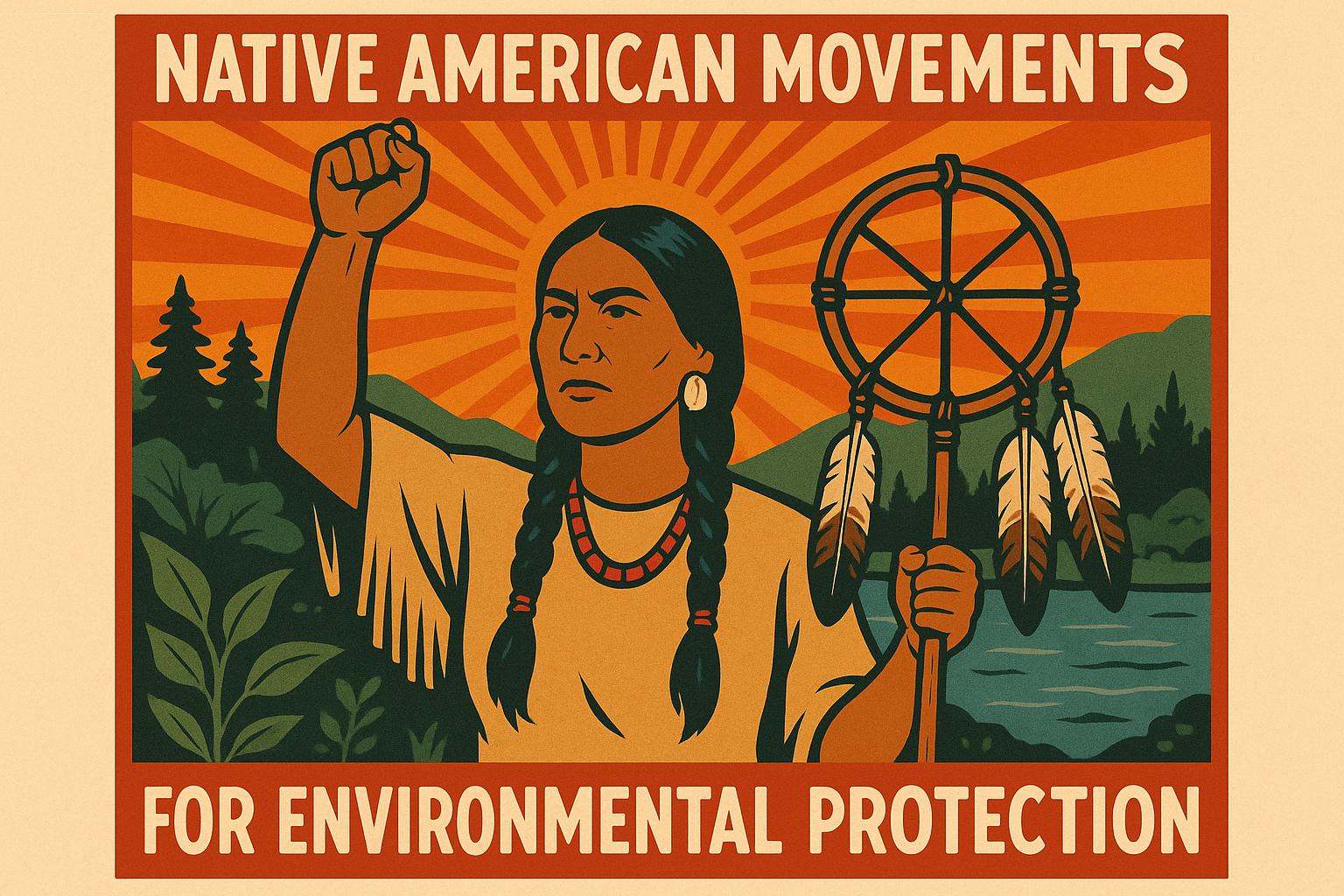
The environmental protection movements orchestrated by Native American communities have increasingly become a vital element in public discourse, particularly surrounding the global challenges of climate change and ecological conservation. At the core of these movements is a profound spiritual connection to the land, underpinned by a dedication to ensure the well-being of natural resources for the benefit of future generations. Native American tribes, with a longstanding heritage of environmental stewardship, have begun to assertively oppose various activities they view as detrimental to both their traditional territories and the wider natural environment.
Historical Context
Native American tribes have consistently embraced an ethos of living in reciprocity with nature, viewing the Earth as a living entity with which they share harmonious existence. This worldview, rich in cultural significance, has been recorded and passed down through generations, laying a robust foundation for contemporary initiatives aimed at safeguarding ecological systems. Historically, these communities were subjected to myriad challenges due to colonization, which resulted in significant losses in terms of land, resources, and autonomy. Despite these adversities, Native American societies have endured, actively engaging in efforts to protect the environment, employing traditional ecological knowledge and engaging in activism.
Key Movements and Activism
One notable example of Native American-led environmental activism is the fervent opposition to the Dakota Access Pipeline. This initiative saw the Standing Rock Sioux Tribe spearheading a lengthy protest against the pipeline, raising alarm over potential threats such as water contamination and the violation of sacred lands. This movement garnered international attention, underlining the critical role that Native American activism plays in environmental conservation.
Another significant movement is the resistance to the exploitation of the Arctic National Wildlife Refuge (ANWR). Various tribes have stood against oil drilling activities in the area, citing concerns over the potential adverse effects on wildlife, particularly the caribou herds that are integral to their cultural identity and subsistence lifestyle.
Legal and Legislative Efforts
Beyond grassroots activism, Native American communities have increasingly turned to legal channels to protect their lands and resources. Tribal governments are actively involved in legal contests to affirm their rights, as recognized under treaties and federal laws. The United States Supreme Court has served as a pivotal arena for landmark rulings concerning tribal sovereignty and environmental protection, illustrating the intricate nexus of law, policy, and indigenous rights.
Collaborative Initiatives
Native American movements have frequently opted for collaboration with environmental organizations, policymakers, and other indigenous collectives across the globe. These partnerships are designed to bolster advocacy endeavors and to amplify the voices advocating for sustainability and conservation. Such collaborations have also led to the creation of platforms where traditional ecological knowledge can be shared and integrated into contemporary conservation methodologies.
In essence, the Native American movements focused on environmental protection are an indispensable component of the wider effort to combat ecological degradation and climate change. By tapping into their rich cultural traditions and practices, these movements not only advocate for the preservation of their ancestral lands but also contribute profoundly to the global conversation on sustainable environmental practices. Their contributions serve as a reminder of the interconnectedness of humanity and the natural world and underscore the importance of respecting and preserving our planet’s resources.
Understanding Traditional Ecological Knowledge
A critical element that distinguishes Native American environmental movements is their reliance on traditional ecological knowledge (TEK). This body of knowledge, accumulated over countless generations, captures the intimate understanding these communities have of their local ecosystems. TEK encompasses practices, beliefs, and innovations that are naturally adapted to the ecological characteristics of specific landscapes. By incorporating sustainable practices in their daily lives, Native Americans have been able to maintain the health and balance of their environments. The use of controlled burns to prevent wildfires and the sustainable harvest of flora and fauna are examples of TEK in practice.
The Role of Cultural Practices
Cultural practices also play a fundamental role in Native American environmental protection efforts. Rituals, ceremonies, and traditions often emphasize the importance of harmony with nature. These cultural expressions are not merely symbolic; they serve as a practical guide for interacting with the environment in ways that ensure long-term sustainability. For instance, certain ceremonies are timed with seasonal cycles, reflecting a deep understanding and respect for natural processes. This spiritual and cultural connection to the Earth reinforces the commitment of Native American tribes to protect and preserve their lands.
Challenges and Opportunities
While Native American communities have made significant strides in their environmental efforts, they continue to encounter challenges. These include legal obstacles, political opposition, and economic pressures from industries seeking to exploit natural resources. Despite these challenges, there are opportunities for progress. The increasing awareness of climate change and the global push for sustainability present a unique opportunity to amplify Native American voices in environmental policy discussions. Additionally, technology and social media have become powerful tools for advocacy, helping to elevate indigenous issues to a wider audience.
Future Directions
Moving forward, it is essential for Native American environmental movements to continue engaging in dialogues that promote their perspectives on ecological stewardship. This includes participating in international forums and advocating for policies that recognize their rights and the value of their traditional knowledge. Furthermore, fostering partnerships with educational institutions can facilitate research that highlights the effectiveness of indigenous environmental practices. By doing so, they can ensure that traditional ecological knowledge is not only preserved but also respected and utilized in broader conservation efforts.
In summary, Native American environmental movements are crucial to the pursuit of sustainable solutions for the planet’s ecological challenges. Through their deep spiritual connection to the land, historical stewardship, and integration of traditional ecological knowledge, Native American tribes offer valuable insights and strategies for environmental conservation. Their efforts not only seek to protect their ancestral territories but also contribute significantly to the global movement towards a more sustainable future. As these movements continue to evolve, they hold the promise of shaping a more harmonious relationship between humanity and nature, guided by wisdom accumulated over generations.