
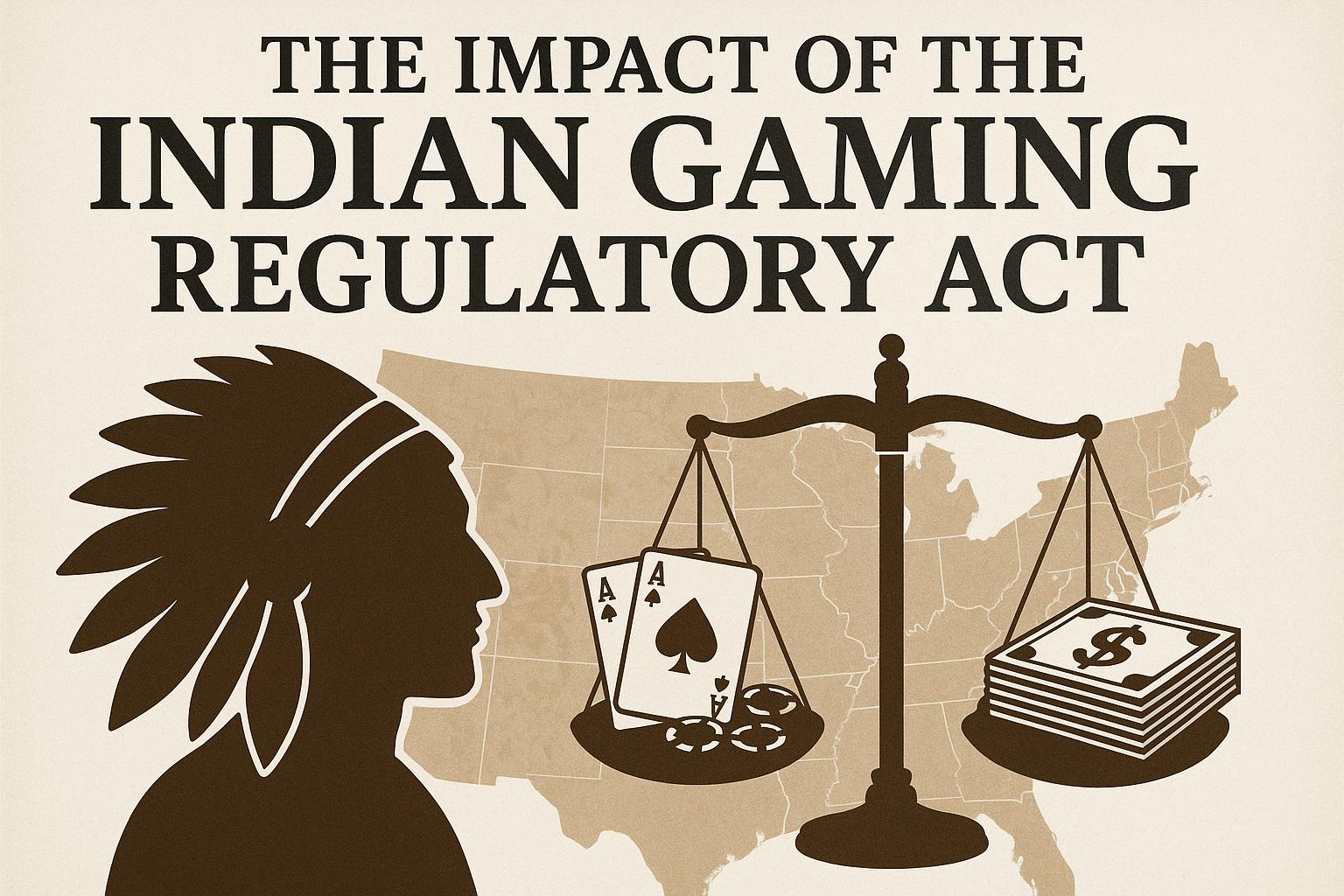
The Indian Gaming Regulatory Act: An Overview
The Indian Gaming Regulatory Act (IGRA), enacted in 1988, is a pivotal piece of federal legislation in the United States that governs gaming activities on Indian reservations. This legislation establishes a regulatory framework for gaming operations conducted by Indian tribes. It aims to ensure that gaming remains a sustainable economic option for tribes while providing federal oversight to uphold fair practices and protect tribal sovereignty.
Key Provisions of the IGRA
IGRA comprises several fundamental provisions that guide its implementation, categorizing gaming activities into three distinct classes, each subject to specific regulatory requirements:
Class I: This category encompasses traditional tribal games that are part and parcel of tribal ceremonies or celebrations. These activities are deeply rooted in tribal culture and traditions and, therefore, are under the exclusive jurisdiction of the tribes themselves. This provision ensures that tribes maintain full control over their cultural practices without external interference.
Class II: Class II gaming includes games such as bingo and certain card games that are not house-banked. Tribes are allowed to operate these games independently, without direct intervention from state authorities, as long as they adhere to the regulations set forth by the National Indian Gaming Commission (NIGC). This classification strikes a balance between tribal autonomy and compliance with federal standards.
Class III: Encompassing all other forms of gaming, such as casino-style games and slot machines, Class III gaming requires a negotiated compact between the tribe and the state. This compact outlines the terms of gaming operations, including issues such as revenue sharing and regulatory obligations, fostering a cooperative relationship between states and tribal entities.
The Role of the National Indian Gaming Commission
The creation of the National Indian Gaming Commission (NIGC) under the IGRA was a critical step in establishing a regulatory body responsible for overseeing the compliance of gaming activities with federal standards. The NIGC’s responsibilities are multifaceted and include auditing and reviewing financial operations of gaming facilities to ensure transparency and accountability. Its presence fosters a climate of trust and compliance, safeguarding the interests of both the tribes and the public.
Economic Impact of the IGRA
Since its enactment, the IGRA has had a profound economic impact on Indian tribes across the United States. Gaming operations have emerged as a cornerstone of many tribal economies, serving as a vital source of funding for essential services such as healthcare, education, and infrastructure development. The influx of revenue generated by gaming has empowered tribes to improve their communities’ quality of life, addressing issues like healthcare accessibility and educational opportunities.
Furthermore, the gaming industry has been a significant driver of employment, creating thousands of jobs for both tribal and non-tribal members. By offering a spectrum of employment opportunities ranging from managerial positions to service roles, gaming facilities have become economic hubs that stimulate growth in surrounding areas, bolstering regional economic development.
Despite these economic benefits, navigating the complexities of the IGRA poses significant challenges. Tribes must adhere to intricate regulatory requirements and engage in negotiations with state governments to establish gaming compacts. These negotiations can sometimes lead to disputes or legal challenges, posing potential hurdles to the seamless operation of gaming enterprises.
Cultural and Social Impact
Beyond its economic implications, the IGRA has had a profound impact on the cultural and social landscapes of Indian reservations. By enabling tribes to generate significant revenue, gaming operations have empowered many to invest in initiatives that strengthen their cultural identities and foster community development. Programs that promote cultural preservation, language revitalization, and traditional arts have been bolstered by gaming revenues, playing a crucial role in the cultural renaissance of many tribes.
However, the rise of gaming has also sparked important debates regarding its social implications. Issues such as gambling addiction and potential impacts on tribal governance have come to the fore, prompting discussions about the balance between economic opportunity and social responsibility. Tribes are increasingly recognizing the need to address these challenges by implementing responsible gaming measures and establishing support systems for individuals affected by gambling-related issues.
In conclusion, the Indian Gaming Regulatory Act provides a comprehensive framework for gaming operations on Indian reservations, balancing economic opportunity with regulatory oversight. By facilitating financial growth and supporting tribal sovereignty, the IGRA continues to play a pivotal role in shaping the future of Indian gaming activities in the United States. Through careful management and collaboration, tribes are leveraging gaming revenues to secure a prosperous future while preserving their cultural heritage and addressing social challenges.